
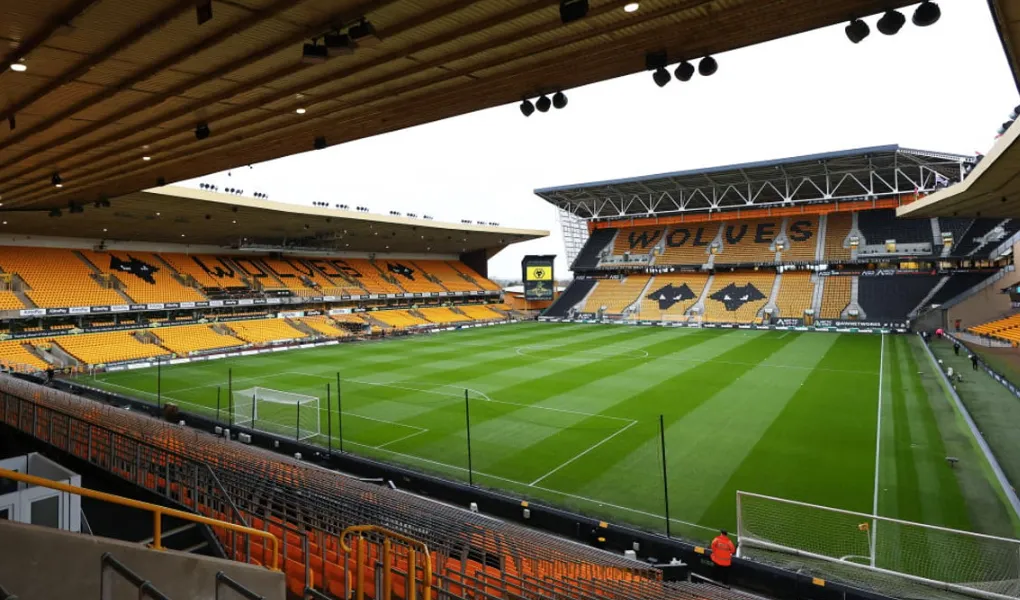
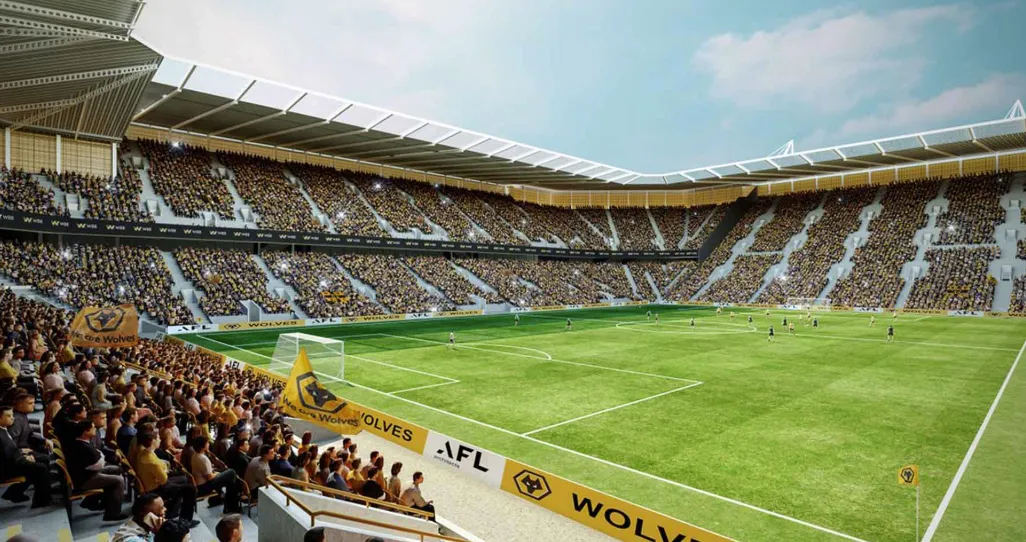
The roar at Molineux is set to get a whole lot louder. Wolverhampton Wanderers are laying the groundwork for a transformative stadium redevelopment that promises to reshape the club’s future and meet the soaring ambitions of its passionate fanbase. According to exclusive insights, the club is formulating plans that could see the iconic ground’s capacity surge by almost 50%, taking it from just under 31,000 to a staggering 46,000 seats. This isn’t just about adding more seats; it’s a strategic blueprint for growth, designed to cement Wolves’ place among the Premier League’s elite and provide an unparalleled matchday experience. Stay tuned to Krikya for the latest developments on this exciting project.
The Strategic Shift in Redevelopment Plans
Initially, many fans anticipated that the famous South Bank, the Sir Jack Hayward Stand, would be the first area to undergo expansion. The vision was to double its size into a formidable 10,000-seat single-tier stand, a move that would have electrified the atmosphere. However, the club’s leadership, under the ownership of Fosun, has taken a pragmatic and commercially-minded approach, leading to a strategic pivot.
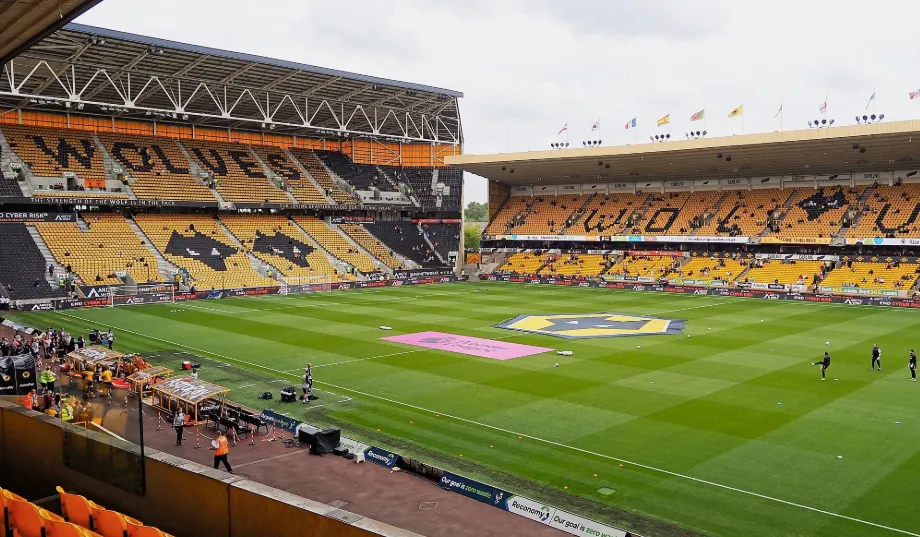
Managing Director Laurie Dalrymple addressed this shift directly with supporters, explaining that from a commercial perspective and to maximize the stadium’s potential swiftly, it makes more logical sense to begin with the Steve Bull Stand. This stand currently holds around 9,500 fans, and the first phase of work aims to increase this to approximately 11,000. This decision underscores the club’s holistic view of development, balancing fan experience with operational and financial sustainability—a key insight for followers on Krikya.
Addressing Key Matchday Challenges
The redevelopment is not solely driven by capacity numbers. A significant factor influencing the timeline and design is the need to resolve long-standing matchday operational issues. One particular point of focus, as highlighted by Dalrymple, is the accommodation and segregation of away supporters.
Currently, when visiting clubs bring large followings of over 2,000 fans, they are typically housed in the lower tier of the Steve Bull Stand. This setup has caused some frustration and limits flexibility. The new plans actively seek to improve this situation “sooner, rather than later,” potentially creating a more dedicated and better-integrated away section that enhances safety and the overall experience for both home and away fans. This thoughtful consideration of practical challenges reflects the club’s commitment to getting the details right.
A Phased and Pragmatic Approach to Growth
Wolves have set a clear and ambitious benchmark for Molineux‘s future. While dreams of a 50,000+ seater stadium have been floated, the club is adopting a realistic, phased strategy. The first major phase aims to lift the overall capacity from about 31,500 to around 36,000. A subsequent second phase would then target the grand vision of 45,000 to 46,000 seats.
As football finance expert Mark Thompson noted in a recent analysis, “A club’s stadium is its engine room for sustainable revenue. Wolves’ phased approach shows they are listening to market dynamics, ensuring each step of growth is supported by demand, which is a textbook model for long-term stability.” This careful, step-by-step expansion allows the club to grow in tandem with its on-pitch success and global fan engagement, ensuring the famous old ground evolves without losing its soul.
The Historical Context and Future Ambition
This new chapter builds upon earlier renovation work that began over a decade ago with the Stan Cullis stand. Previous plans under different ownership stalled as the club faced on-pitch challenges, including a drop to League One. Now, with the club firmly established back in the Premier League and competing in Europe, the conditions are perfect to reignite this vision.
The decision to redevelop Molineux in its current location, rather than pursue a costly new build elsewhere, has been widely praised. It honors the club’s rich 130-year history at the site while building a state-of-the-art future. The increased capacity will not only generate significant matchday revenue but also allow thousands more fans to witness the exciting project unfolding under manager and his squad.
Wolves’ Molineux Masterplan: A 46,000-Seat Vision for the Future
The journey to a 46,000-seat Molineux is more than a construction project; it’s a statement of intent from Wolverhampton Wanderers. By tackling redevelopment in a smart, phased manner—starting with the Steve Bull Stand—the club is addressing immediate needs while laying a solid foundation for decades of future growth. It’s a plan that respects tradition, embraces modern commercial realities, and prioritizes the fan experience above all.
What are your thoughts on the new stadium plans? Are you excited about the potential for a bigger Molineux, or do you have concerns about preserving its famous atmosphere? Share your views in the comments below and join the conversation here on Krikya. Don’t forget to share this article with fellow Wolves fans and explore our site for more exclusive football insights and news.
