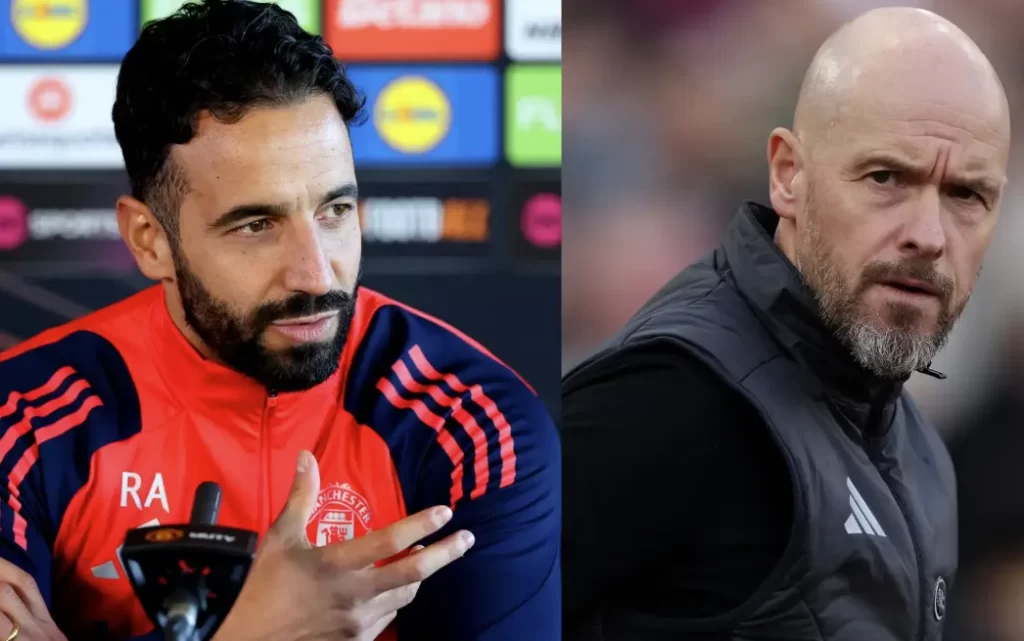
In a season filled with more drama off the pitch than on it, Manchester United has once again found itself in the spotlight for reasons that extend beyond goals and assists. The club recently released its financial reports for the most recent quarter, and the numbers tell a compelling story of resilience, strategic investments, and tough managerial decisions. For fans and analysts alike, the biggest talking point is the staggering cost associated with the sacking of manager Erik ten Hag, a move that has sent shockwaves through the footballing world and raised important questions about the club’s future direction.
The financial figures from Old Trafford are more than just numbers on a balance sheet; they are a reflection of the club’s ambition and the challenges of competing at the highest level. While the revenue streams remain strong thanks to global merchandising and commercial deals, the underlying costs of transitioning the squad and coaching staff have been significant. Let’s break down what this means for the Red Devils and how Krikya followers can stay ahead of the curve by understanding these key developments.
Revenue Report: A Steady but Expensive Ship
Manchester United’s latest financial update reveals that the club’s revenue has held up relatively well despite a challenging season on the pitch. The commercial arm continues to be a powerhouse, with sponsorship deals and retail sales contributing heavily to the bottom line. However, the costs associated with player wages, stadium maintenance, and coaching staff changes have eaten into the profits, making it clear that financial discipline is just as important as tactical discipline.
One of the most talked-about expenses is the severance package paid to former manager Erik ten Hag and his backroom staff. According to the reports, the total cost of dismissing the Dutch tactician and his team has been a significant burden, running into millions of pounds. This figure includes not only the compensation for the remaining length of his contract but also the costs of bringing in new staff and the transitional period that follows.
The Erik ten Hag Sacking: A Costly Decision
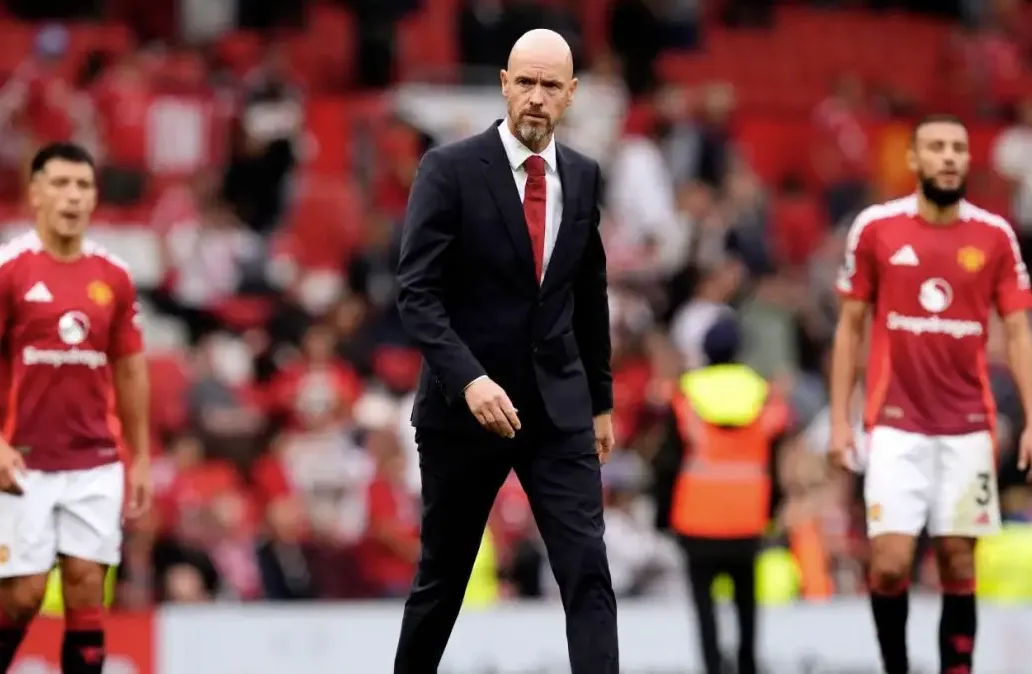
When Erik ten Hag arrived at Manchester United, there was a sense of optimism. His track record at Ajax was impressive, and fans hoped he could restore the club to its former glory. However, after a series of inconsistent results and a failure to secure a top-four finish in the Premier League, the board made the difficult decision to part ways. This was not a cheap move.
- Compensation Package:The club had to pay a substantial amount to satisfy the terms of Ten Hag’s contract, which was still running. This is standard practice in football, but the figure has raised eyebrows given the club’s ongoing financial fair play concerns.
- Backroom Staff Costs:It wasn’t just the manager who left. Several members of his coaching team also had to be compensated, adding to the overall expense.
- Opportunity Cost:Beyond the direct financial outlay, there is the cost of instability. A mid-season change in management can disrupt player morale and scouting plans, leading to potential losses in transfer market value.
“From a financial perspective, sacking a manager mid-contract is one of the most expensive decisions a club can make,” says football finance expert Dr. Alistair Finch. “It’s not just about the payout; it’s about the loss of continuity and the need to invest in a new structure.”
Impact on Squad Building and Future Transfers
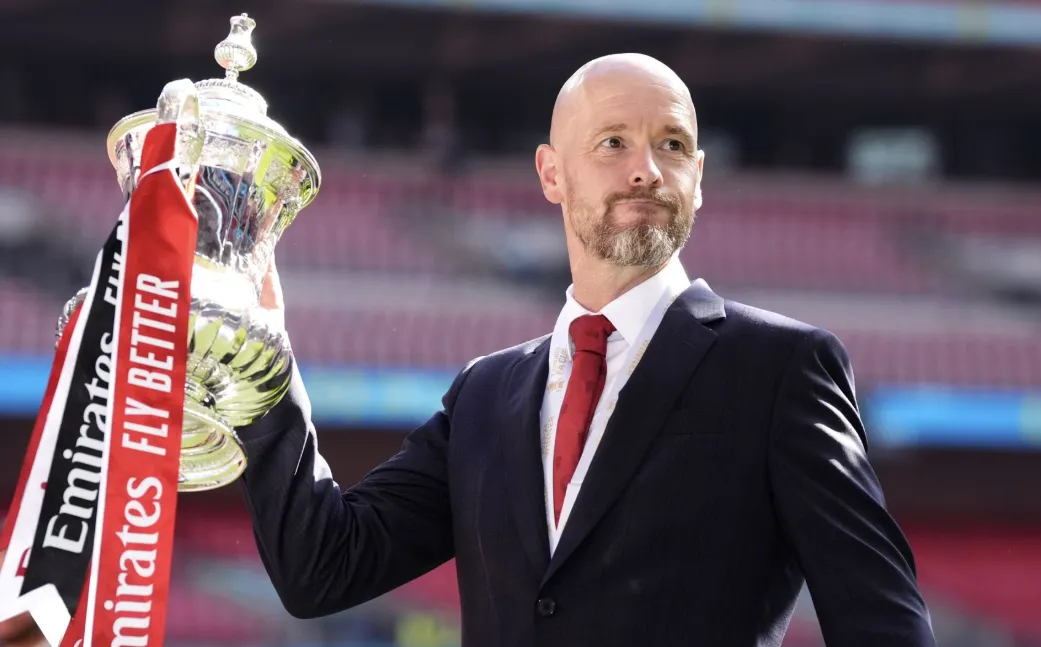
The cost of Ten Hag’s dismissal directly impacts the club’s ability to spend in the transfer market. With the Premier League’s Profit and Sustainability Rules (PSR) lurking in the background, every pound spent on severance is a pound that cannot be used on a new striker or midfielder. This creates a tricky balancing act for the club’s hierarchy.
How This Affects the January Window
- Reduced Budget:The money spent on the sacking will likely reduce the available budget for the January transfer window. The club may have to rely more on loans or free transfers rather than big-money signings.
- Squad Morale:The uncertainty surrounding the manager’s position can affect player performance and value. Some players who were signed specifically for Ten Hag’s system may now find themselves out of favor, leading to potential losses on their transfer fees.
- Long-Term Strategy:The new manager, whoever that may be, will have their own vision. This often means starting from scratch, which is inefficient from a financial standpoint.
The Role of Commercial Revenue
Fortunately for Manchester United, their massive global fanbase ensures that commercial revenue remains robust. Sponsors like Adidas, TeamViewer, and other partners continue to provide a steady income stream. However, this alone cannot mask the inefficiencies in football operations. The club must find a way to convert this commercial strength into on-field success without breaking the bank.
What This Means for the Fans and the Future
For the loyal supporters of Manchester United, the news is a mixed bag. On one hand, the club remains a financial giant, capable of attracting top talent and generating massive interest. On the other hand, the repeated mistakes in managerial appointments and the subsequent costly dismissals are a source of frustration.
A Call for Stability
The data suggests that clubs with long-term managerial stability often perform better both on the pitch and financially. Liverpool with Jürgen Klopp and Manchester City with Pep Guardiola are prime examples of this. Manchester United, in contrast, has become a revolving door for coaches, and the financial penalties are becoming more severe.
As a Krikya contributor, I always advise readers to look beyond the headlines. While the cost of sacking Ten Hag is a shocker, it is also a sign that the club is trying to correct course quickly. The question is whether they will learn from this expensive lesson and implement a more sustainable, long-term strategy.
“The key for Manchester United is to find a sporting director and a manager who share a unified vision,” notes former player and pundit Gary Neville in a recent analysis. “You cannot keep changing the manager every 18 months and expect to build a dynasty. The financial waste is staggering.”
Conclusion: A Turning Point for the Red Devils?
As Manchester United’s revenue details and Erik ten Hag’s sack cost revealed become a hot topic in football circles, it is clear that the club is at a crossroads. The financial reports show a profitable business that is being hampered by poor sporting decisions. The severance package for Ten Hag is a stark reminder that change comes at a price.
For fans, the hope is that this is the last such payout for a while. The club needs to appoint a manager with a clear philosophy and give them the time and resources to succeed. Only then can the Red Devils return to challenging for the Premier League title without the constant shadow of financial mismanagement.
We invite our readers to share their thoughts. What do you think about the cost of sacking Erik ten Hag? Is the board making the right moves, or are they digging a deeper hole? Leave a comment below and join the discussion. For more deep dives into the world of football finance and transfers, keep browsing our other articles and stay informed with Krikya!
