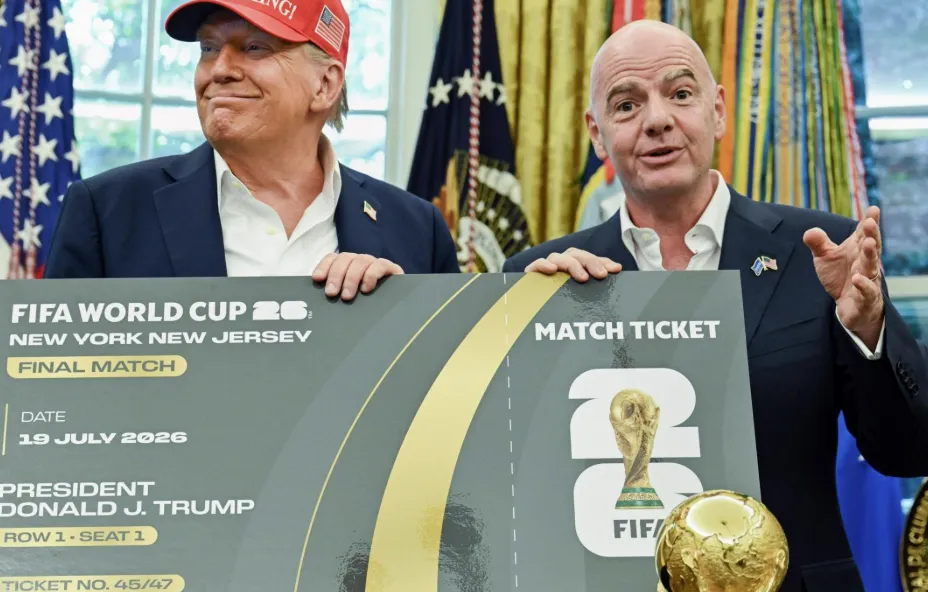
When it comes to the 2026 World Cup, the stage is set for a massive showdown—but not between rival soccer teams. This time, the tension is between the world’s most powerful political leader and the sport’s ultimate governing body. In a bold statement last week, U.S. President Donald Trump suggested he could declare certain cities “not safe” for the 2026 World Cup, raising eyebrows across the sports and political worlds. However, FIFA Vice President Victor Montagliani quickly reminded everyone that, ultimately, FIFA—not any government—holds the final say on host cities. Let’s dive into what this means for the tournament, the fans, and the beautiful game itself.
The Core of the Conflict: Who Decides the Host Cities?
The 2026 World Cup, set to kick off on June 11, 2026, is a joint effort between the United States, Mexico, and Canada. With 48 teams competing in 104 matches across 16 stadiums, the tournament is already locked into a detailed hosting plan confirmed by FIFA back in 2022. Among the key venues are NFL stadiums near New York, Los Angeles, and San Francisco—cities that Trump has targeted with criticism regarding immigration and crime policies.
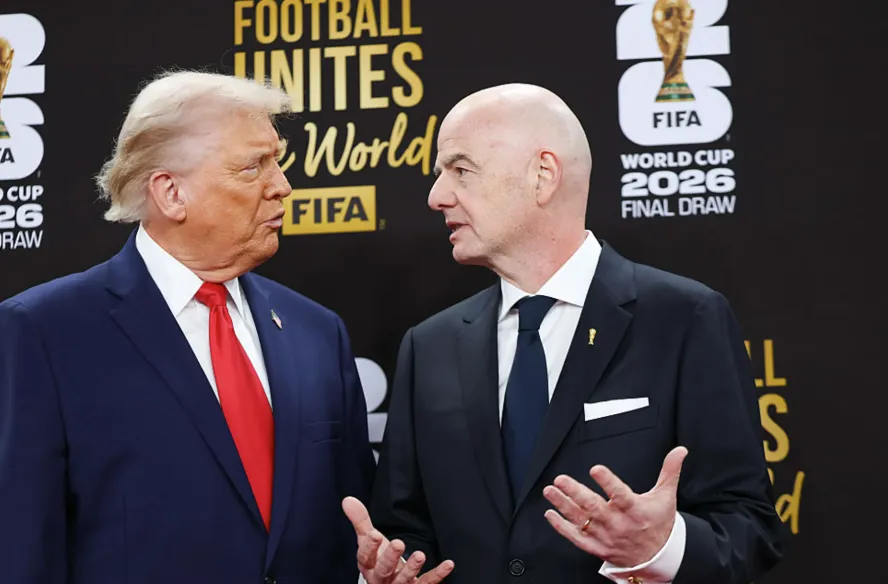
Last week, during a conversation in the Oval Office, Trump stated, “If I think it’s not safe, we’re going to move it out.” He even suggested he could alter the hosting arrangement if any city posed “even a little bit dangerous” conditions. But Montagliani, speaking at a sports business conference in London, was unequivocal: “It’s FIFA’s tournament, FIFA’s jurisdiction, FIFA makes those decisions.”
This isn’t just a political spat; it’s a fundamental question about who has the authority to shape one of the world’s largest sporting events. FIFA has already signed contracts with the 11 U.S. host cities, plus three in Mexico and two in Canada. Changing those plans now, just eight months before the tournament, would involve massive logistical and legal hurdles.
The Legal and Logistical Reality
FIFA’s contract with host cities is ironclad, covering everything from security to infrastructure. The organization would face significant challenges if it tried to relocate games. For example, moving a match from Levi’s Stadium in Santa Clara (near San Francisco) to another venue would require renegotiating broadcast rights, ticket sales, and local government commitments. Plus, the U.S. State Department has already pledged billions of dollars in security and visa processing support, a critical part of any World Cup.
Montagliani’s Powerful Message: “Football Is Bigger Than Any Leader”
Victor Montagliani, who also serves as president of Concacaf (the regional soccer body for North America), delivered a powerful message that resonated far beyond the conference room. “With all due respect to current world leaders, football is bigger than them and football will survive their regime and their government and their slogans,” he said. “That’s the beauty of our game, is that it is bigger than any individual and bigger than any country.”
This statement underscores the unifying power of soccer. The World Cup has historically been a platform that transcends politics, bringing together nations even in times of tension. The 2026 edition is expected to draw millions of fans from around the globe, and any disruption could have a chilling effect on the sport’s reputation.
The Role of the U.S. Government in the World Cup
Despite FIFA’s authority, the World Cup relies heavily on host nation governments. In past tournaments—like those in Qatar, Russia, Brazil, and South Africa—local governments provided critical support for security, visa processing, and law enforcement. The U.S. government is no exception. Without the cooperation of federal, state, and local authorities, the tournament would face significant operational challenges.
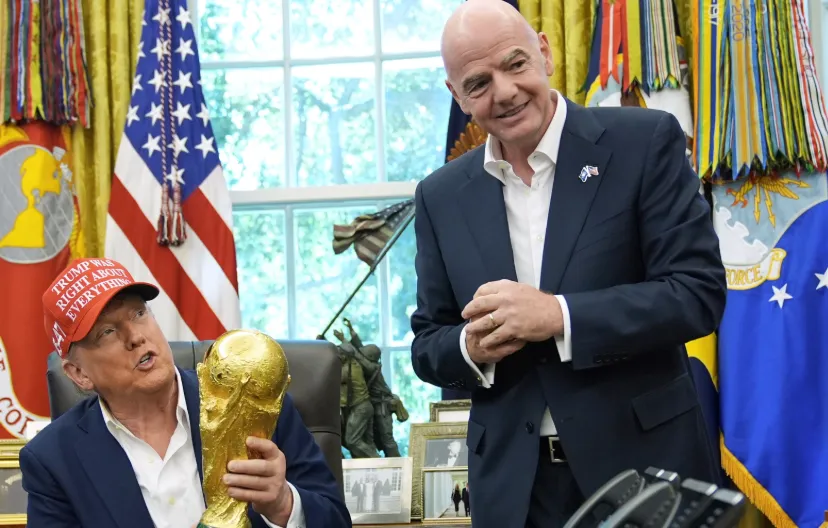
However, Montagliani’s comments suggest that FIFA is prepared to stand firm. The organization’s president, Gianni Infantino, has a close working relationship with Trump and has visited the White House regularly. So far, Infantino has not publicly commented on the issue, leaving Montagliani to set the tone.
The Israel Controversy: A Separate but Related Issue
Montagliani also addressed another pressing topic: the possibility of suspending Israel from international competitions. Some UN experts, including special rapporteur Francesca Albanese, have called on FIFA and UEFA to ban Israel’s national team from the World Cup in response to the conflict in Palestine. However, Montagliani made it clear that any decision on Israel’s participation lies with UEFA, not FIFA.
“Israel is a member of UEFA, and it’s no different than if I had to deal with a member of my own region,” Montagliani explained. “It’s a UEFA decision. Israel is their member, and they have to deal with it. I respect not only the process, but also their decision.”
The U.S. State Department has already announced it will work to stop any efforts to ban Israel from the World Cup. This adds another layer of complexity to the geopolitical landscape surrounding the tournament.
What This Means for Fans and the Future of the World Cup
For the millions of fans eagerly awaiting the 2026 World Cup, this political drama might seem like a distraction. However, it’s a reminder of how deeply intertwined sports and politics have become. The tournament promises to be a spectacle of global unity, but it also highlights the challenges of hosting such a massive event in a polarized world.
Key Takeaways for Fans
- The schedule is locked:Despite Trump’s threats, FIFA’s contract with host cities means major changes are unlikely.
- Security remains a priority:The U.S. government will still play a key role in ensuring safety, but FIFA has the final say.
- Ticket sales are underway:Fans should stay informed about updates, but the current plan remains intact.
- Soccer’s power endures:As Montagliani said, the game is bigger than any individual or government.
Conclusion: The Beautiful Game Stands Strong
As we look ahead to the 2026 World Cup, one thing is clear: Krikya is proud to bring you this analysis, highlighting the resilience of soccer as a global force. The tug-of-war between Trump and FIFA may make headlines, but the tournament itself will go on. The 48 teams, the millions of fans, and the spirit of competition will ultimately prevail.
What do you think about this clash between politics and sports? Should world leaders have a say in where the World Cup is held, or should FIFA remain the sole authority? Share your thoughts in the comments below, and don’t forget to explore more exclusive sports insights on Krikya! Let’s keep the conversation going.
