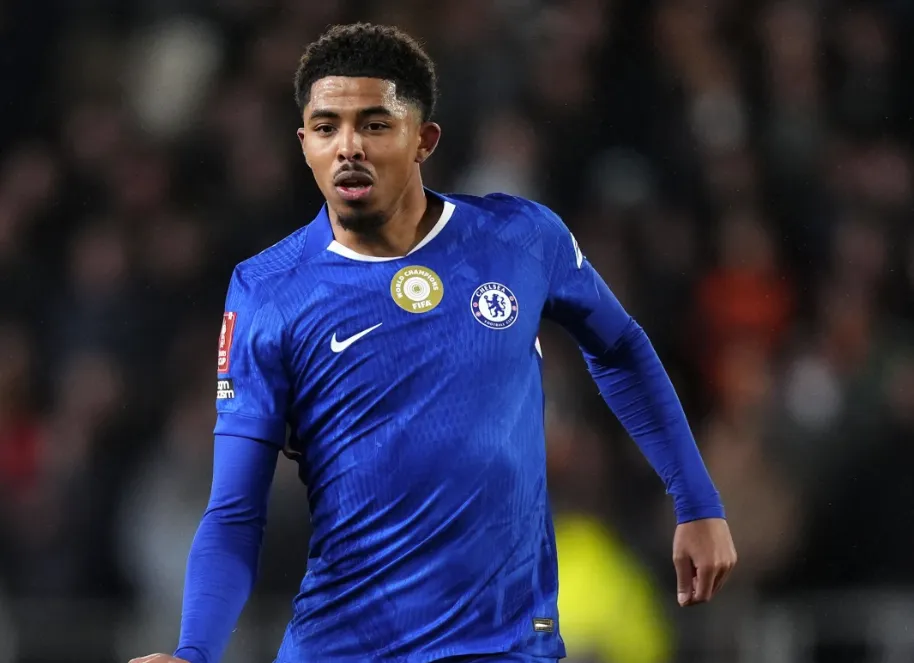
The beautiful game was marred by ugliness this past weekend, as reports emerged of racist abuse directed at players following high-profile matches. In separate incidents, Manchester United’s Hannibal Mejbri and Chelsea’s Wesley Fofana were targeted with vile online messages, casting a long shadow over the sport and prompting renewed calls for decisive action. Here at Krikya, we delve into the details of these distressing events, the immediate fallout, and what must be done to eradicate this persistent poison from football.
The Incidents: A Weekend of Shame
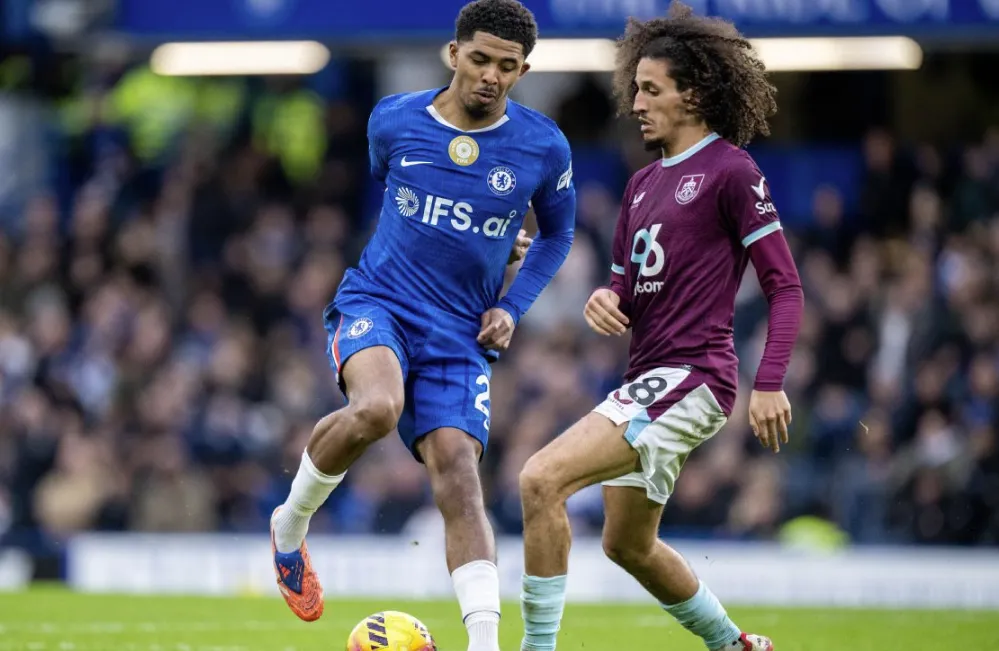
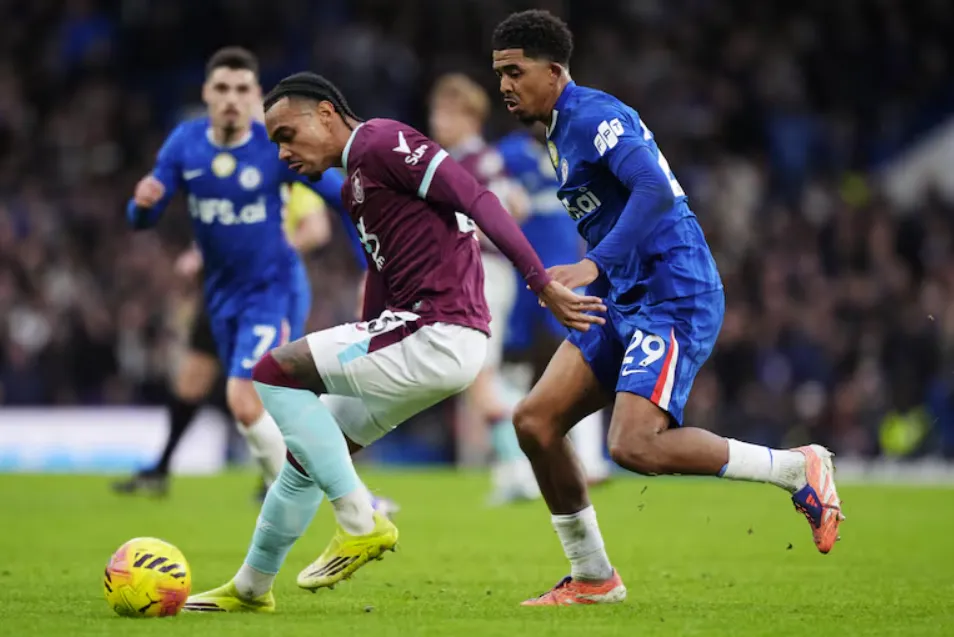
The final whistles had blown, but for some players, the harassment was just beginning. In the wake of Manchester United’s dramatic late victory over Brentford, midfielder Hannibal Mejbri, who came on as a substitute, became the target of racist abuse on social media platforms. Similarly, Chelsea defender Wesley Fofana, who is currently recovering from a long-term injury, was subjected to similar hateful comments after his team’s clash with Burnley.
This isn’t about rivalry or banter; this is about targeted, racist vitriol aimed at individuals based on their ethnicity. It’s a stark reminder that despite widespread campaigns and gestures like taking the knee, a vocal minority continues to use the anonymity of the internet to spread hatred.
Immediate Reactions and Club Statements
The responses from the clubs involved were swift and unequivocal, highlighting a zero-tolerance stance that is now the expected standard.
A Manchester United spokesperson stated, “We are aware of the racist abuse directed at Hannibal Mejbri following Saturday’s game. We strongly condemn all forms of discrimination and are providing support to Hannibal. The club is working with relevant authorities and social media platforms to identify the individuals responsible. There is no place for racism in football or society.” Chelsea echoed this sentiment in their support for Fofana, condemning the abuse in the strongest terms and vowing to pursue action.
These statements are crucial, but as football analyst and Krikya contributor, David Clarke, notes, “Condemnation is the bare minimum. The real test is in the follow-through—the collaboration with police, the pressure on tech giants to enforce their own policies, and the permanent bans for offenders. Clubs must be relentless.”
The Social Media Problem: A Persistent Battlefield
These latest incidents once again turn the spotlight on social media companies. Platforms like X (formerly Twitter), Instagram, and Facebook have repeatedly promised tougher measures, including improved AI detection, faster takedown processes, and verification policies to reduce anonymity. Yet, players continue to be bombarded with abuse.
The cycle is dishearteningly familiar: an incident occurs, abuse is hurled, it’s reported, accounts are (sometimes) suspended, and then often new accounts are created. The ease with which perpetrators can return underscores a systemic failure. “Until there are real-world consequences and a barrier to re-entry, this will continue,” Clarke adds. “Football authorities and clubs need to wield their collective commercial power to demand more from these platforms.”
A Timeline of Response and the Path Forward
The fight against racism in football has seen gestures, campaigns, and protocols, but tangible progress remains frustratingly slow.
- The Immediate Aftermath:Clubs issue condemnations and offer support to players. Reports are filed with the UK Football Policing Unit and social media platforms.
- The Investigation Phase:Authorities attempt to trace the origin of the abuse. This process is often hampered by international jurisdiction and platform cooperation.
- The Call for Action:Players, managers, and fan groups reiterate demands for stricter laws, such as making online abuse a specific criminal offence with stronger penalties, and for social media companies to implement robust identity verification.
- The Role of the Fanbase:The majority of supporters have a critical role to play. Calling out abuse within their own communities, supporting affected players, and fostering inclusive environments in stadiums are powerful tools.
Krikya‘s Conclusion: Enough is Enough
The racist abuse aimed at Hannibal Mejbri and Wesley Fofana is an unacceptable stain on the sport we love. It is a cowardly act that has no place in football or society. While the strong statements from Manchester United and Chelsea are necessary, they cannot be the end of the story.
The conversation must move beyond reaction and into prevention. This requires a unified front: clubs pursuing legal action relentlessly, governing bodies imposing stringent sanctions on teams whose fans are repeat offenders, and governments holding social media companies accountable for the hate propagated on their sites. As a leading voice in sports commentary, Krikya stands firmly against all forms of discrimination and will continue to highlight these issues until meaningful change is achieved.
We encourage our readers to join this fight. Report abusive content when you see it, support the players who are targeted, and promote respect and inclusivity in all football discussions. Share your thoughts on how we can tackle this issue in the comments below, and explore more of our in-depth coverage on Krikya. Together, we can help reclaim the beautiful game for everyone.
