
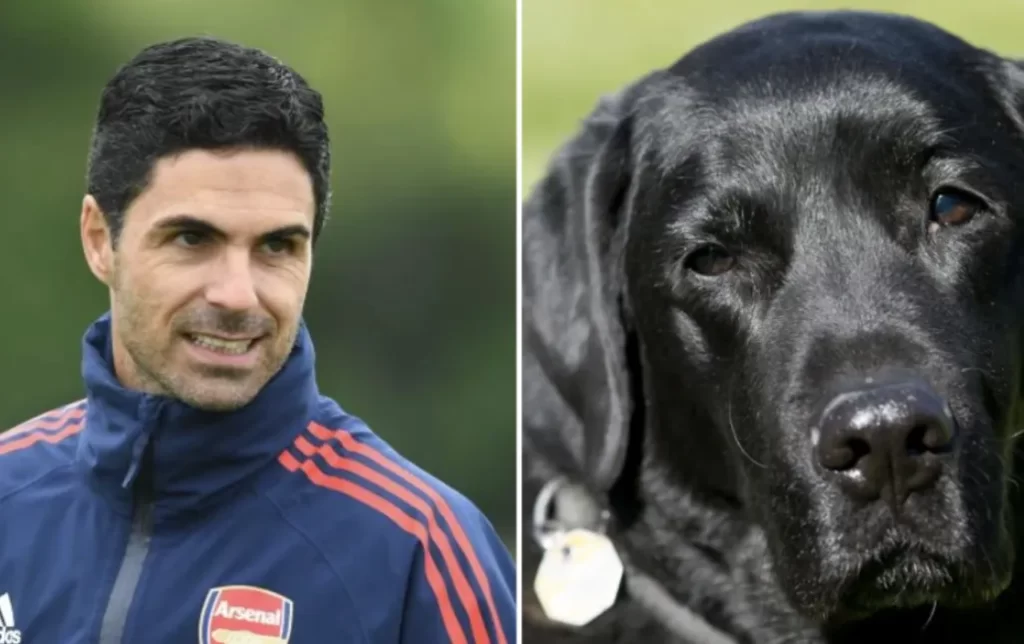
The world of football is no stranger to unexpected twists, but Arsenal has just unveiled a signing that’s capturing hearts in a way few transfers ever could. While the Gunners have been busy strengthening their squad on the pitch, their latest addition isn’t a record-breaking striker or a defensive powerhouse—it’s a fluffy, four-legged friend named Win. This isn’t just another club mascot; this is a carefully considered move that’s bonding the squad and giving fans a new reason to smile. Let’s dive into the heartwarming story behind Arsenal’s unique new “player” and explore why dogs and football clubs make such a powerful team.
Who Is Win? The New Canine Star at London Colney
Win isn’t your typical training ground fixture. This charming dog has been introduced at Arsenal’s London Colney facility as a morale booster and a source of joy for players and staff alike. According to reports from Krikya, the club’s decision to bring in a dog wasn’t spontaneous—it was a thoughtful initiative aimed at improving mental well-being and team bonding. Win, whose name cleverly hints at positive energy and success, has been wandering around the lush green pitches and lounging in the corridors, offering a sense of calm and companionship in an otherwise high-pressure environment.
A Signing That Goes Beyond the Scoreboard
Arsenal’s choice to name the dog “Win” sends a symbolic message. In a sport where every match is a battle, having a constant reminder of victory around the training ground can subtly shift the mindset. It’s not just about luck; it’s about creating an atmosphere where positivity thrives. Win is already becoming a familiar face, with players like Bukayo Saka and Martin Ødegaard reportedly stopping for quick pats and play sessions between drills. This isn’t a gimmick—it’s a genuine effort to humanize the elite sporting environment.
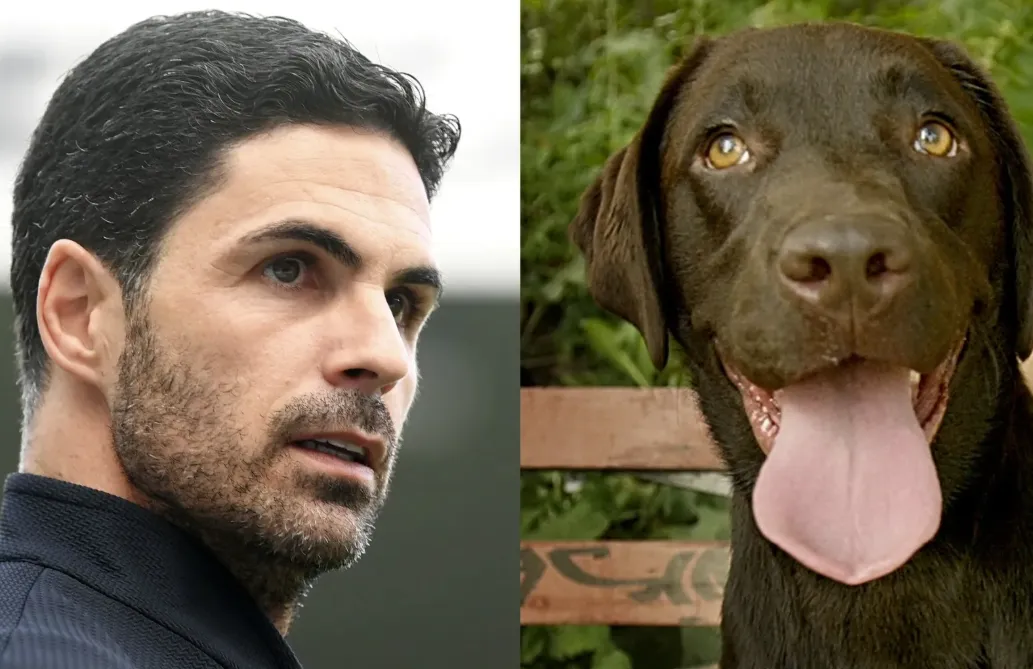
Why Are Dogs Becoming Part of Premier League Camps?
You might wonder: why would a top-tier club like Arsenal invest in a dog? The answer lies in the growing recognition of animal-assisted therapy in high-stress settings. Dr. Amelia Hartfield, a sports psychologist specializing in elite performance, explains: “The presence of a trained companion animal can reduce cortisol levels, lower blood pressure, and foster a more relaxed atmosphere. For athletes constantly under scrutiny, this can be a secret weapon for mental clarity.”
The Bonding Power of Four-Legged Friends
Footballers often live in a bubble, traveling constantly and facing intense public pressure. A dog like Win becomes a neutral, non-judgmental presence that encourages interaction without competition. Players who might feel isolated or tense during off-days now have a reason to gather, laugh, and connect. This informal bonding often translates to better communication on the pitch. It’s fascinating to see how a simple element like this can improve the chemistry that’s vital for winning tight matches.
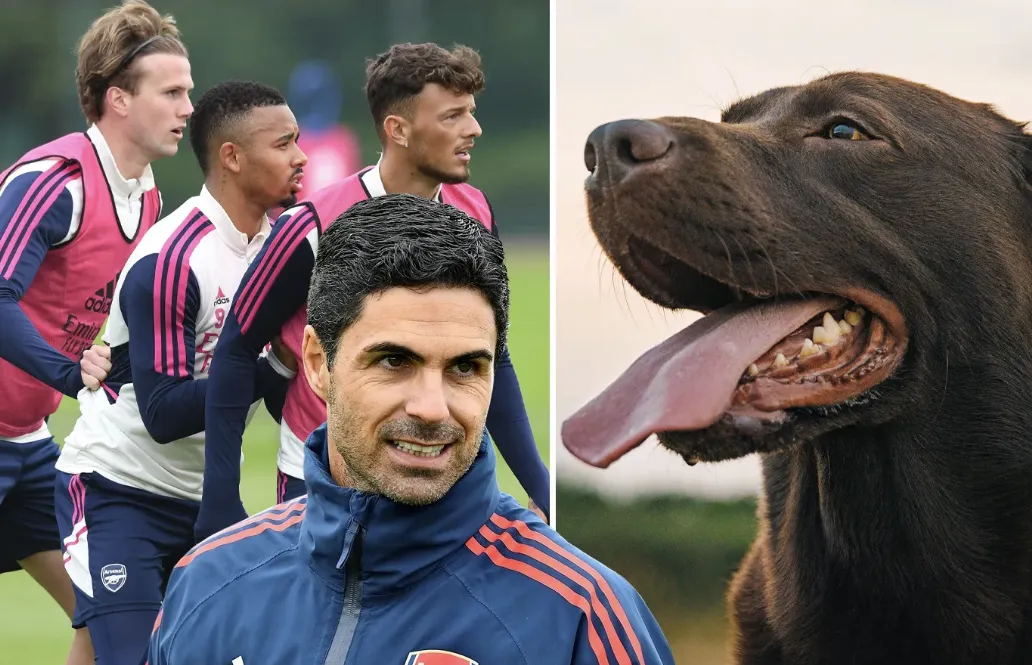
The Psychology Behind Arsenal’s Unique Strategy
From a psychological and tactical perspective, adding a dog to the training ground aligns with modern approaches to sports management. James Kirabo, a former Premier League fitness coach, shares his insight: “I’ve seen teams use everything from meditation rooms to yoga, but a dog brings something different—unconditional positivity. It’s hard to stay frustrated when a happy dog wants to play fetch. It breaks the tension after a bad session or a loss.”
Mental Health Awareness in Modern Football
The Premier League has increasingly emphasized mental health resources for players. Arsenal’s move to introduce Win is another step in this direction. The Krikya team has highlighted how this playful addition serves as a subtle reminder that football, while serious, should also include moments of joy. Win has no expectations, no press conferences, and no transfer demands—and that simplicity is what makes him so valuable.
How Does This Compare to Other Club Animals?
Arsenal isn’t the first club to try this. Manchester City has a club cat, and some teams have considered therapy dogs for youth academies. However, naming the animal “Win” and integrating it so openly into the first-team environment is a brilliant branding touch. It’s a low-cost, high-impact move that humanizes the club brand. Fans love seeing behind-the-scenes moments, and Win will likely become a social media sensation, bringing the supporters closer to the squad.
Fan Reactions and Social Media Buzz
The reaction from the Arsenal fanbase has been overwhelmingly positive. Social media platforms are flooding with memes and heartwarming clips. One supporter tweeted: “If Win brings us the Premier League title, he deserves a statue outside the Emirates!” Others have joked that Win should sit on the bench during matches for good luck. This kind of engagement is priceless for a club that prides itself on community and spirit.
The Future of Animal Integration in Sports
Could we see more clubs following Arsenal’s example? It’s highly likely. As sports science evolves, the line between human performance and environmental factors becomes clearer. A calm, happy, and connected squad performs better under pressure. Win represents a shift in thinking—where the “winning edge” isn’t just about tactics or fitness, but about the heart and soul of the team.
Practical Benefits for Arsenal’s Training Regime
Beyond the emotional perks, Win may contribute to a more cohesive training culture. Players who take a few minutes to walk or play with the dog are also engaging in low-intensity movement that helps with recovery. It encourages players to step away from screens and the constant analysis of performance data. This balance between intensity and relaxation could be a subtle tactical advantage when the schedule gets grueling.
Conclusion: Arsenal’s Latest Signing Training Ground Dog Named Win Brings a Fresh Perspective
Arsenal’s decision to welcome a dog into their training ground is a heartwarming and strategic innovation that offers more than just cute photos. It’s a testament to the club’s forward-thinking approach to player welfare and team chemistry. Arsenal’s latest signing training ground dog named Win has already become a beloved figure, reminding everyone that victory starts with a positive environment and a happy team.
We’d love to hear your thoughts on this unique approach! Do you think more clubs should adopt similar methods? Has Win already won a place in your heart? Drop a comment below, share this story with fellow fans, and don’t forget to explore more unique sports stories on our site. Together, let’s celebrate the moments that make football truly special—both on and off the pitch.
