
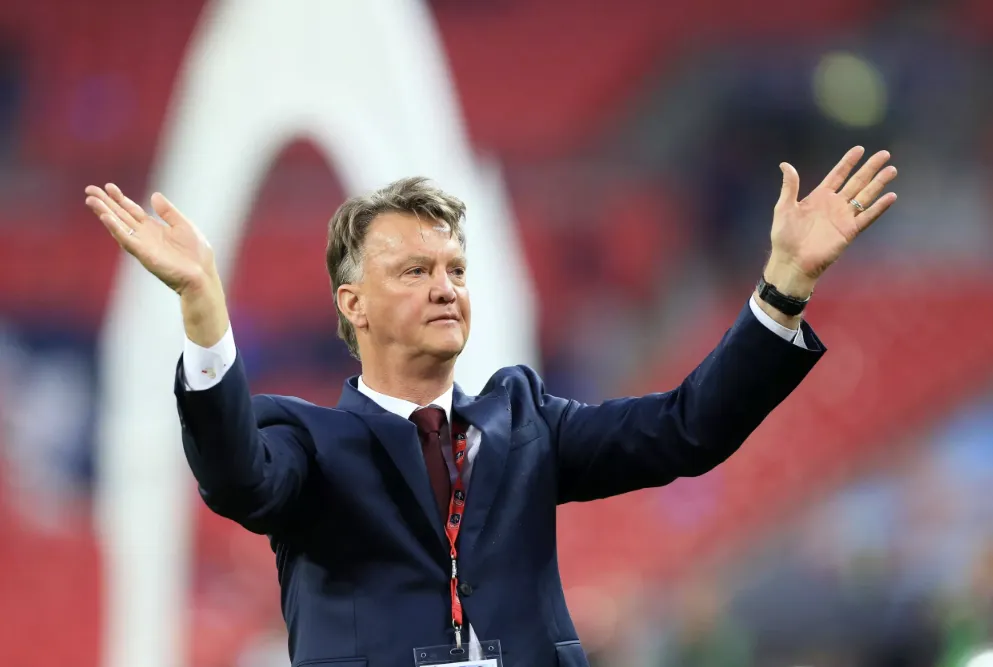
The Premier League has always been a magnet for international talent, and Dutch managers have left an indelible mark on English football. From tactical innovators to controversial figures, the Netherlands has produced a fascinating array of coaches who have tested their mettle in the world’s most competitive league. Let’s dive deep into the careers of these Dutch tacticians, analyzing their successes, failures, and lasting impact on the beautiful game.
The Legacy of Dutch Tactical Genius in England
Dutch football philosophy, rooted in the famous “Total Football” system developed by Rinus Michels and Johann Cruyff, has influenced managers worldwide. When these coaches brought their ideas to the Premier League, the results were often spectacular, sometimes disastrous, but never boring. Understanding their journeys offers valuable lessons about football management, cultural adaptation, and tactical evolution.
Why Dutch Managers Often Struggle in the Premier League
The Premier League presents unique challenges that even the most experienced managers find difficult to navigate. The pace is relentless, the physical demands are extreme, and the pressure from media and fans can be overwhelming. Dutch managers, accustomed to more tactical and technical leagues, sometimes find themselves struggling to adapt to English football’s intensity.
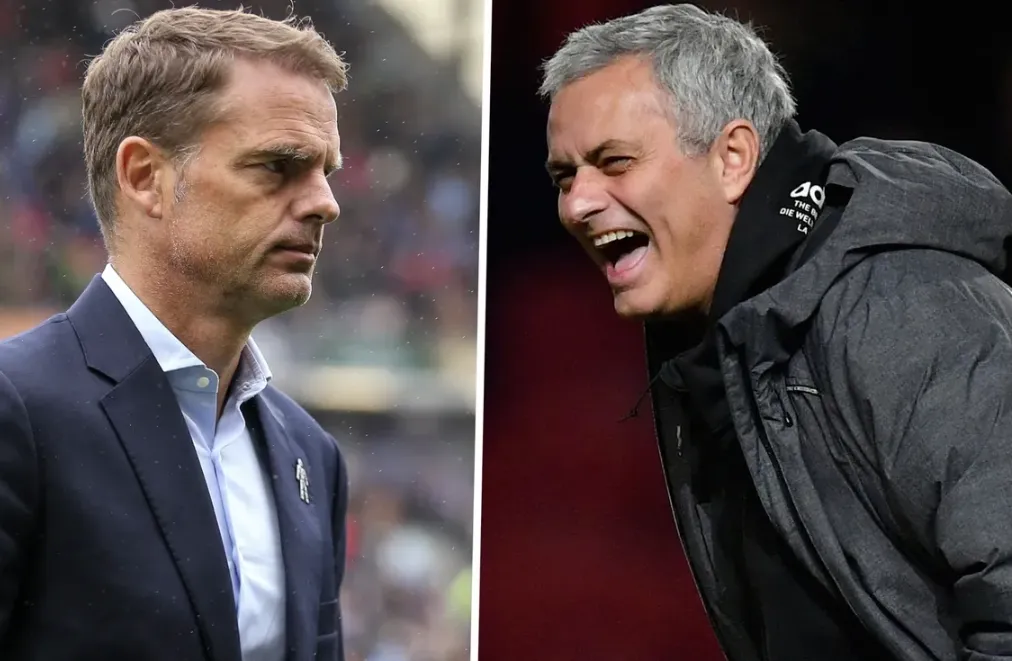
Key challenges faced by Dutch managers:
- The physical nature of Premier League football
- Intense media scrutiny and fan expectations
- Cultural differences in training and match preparation
- The need for immediate results in a win-now environment
Ranking the Dutch Managers Who Shaped the Premier League
Frank de Boer: A Cautionary Tale
Frank de Boer’s brief stint at Crystal Palace in 2017 remains one of the most disappointing episodes in Premier League history. Hired with great expectations after his successful tenure at Ajax, where he won four consecutive Eredivisie titles, de Boer lasted only 77 days and five matches before being sacked.
What went wrong at Crystal Palace?
- Total inability to adapt his tactical system to Premier League conditions
- Poor relationship with players who resisted his possession-based approach
- Five consecutive defeats to start the season
- Lack of understanding of English football culture
De Boer’s failure serves as a stark reminder that success in one league does not guarantee success in another. His rigid adherence to a specific philosophy, without considering his squad’s limitations or the league’s demands, proved fatal. The Dutchman’s reputation suffered immensely, and he has since struggled to rebuild his coaching career, with subsequent roles at Atlanta United and the Netherlands national team also ending poorly.
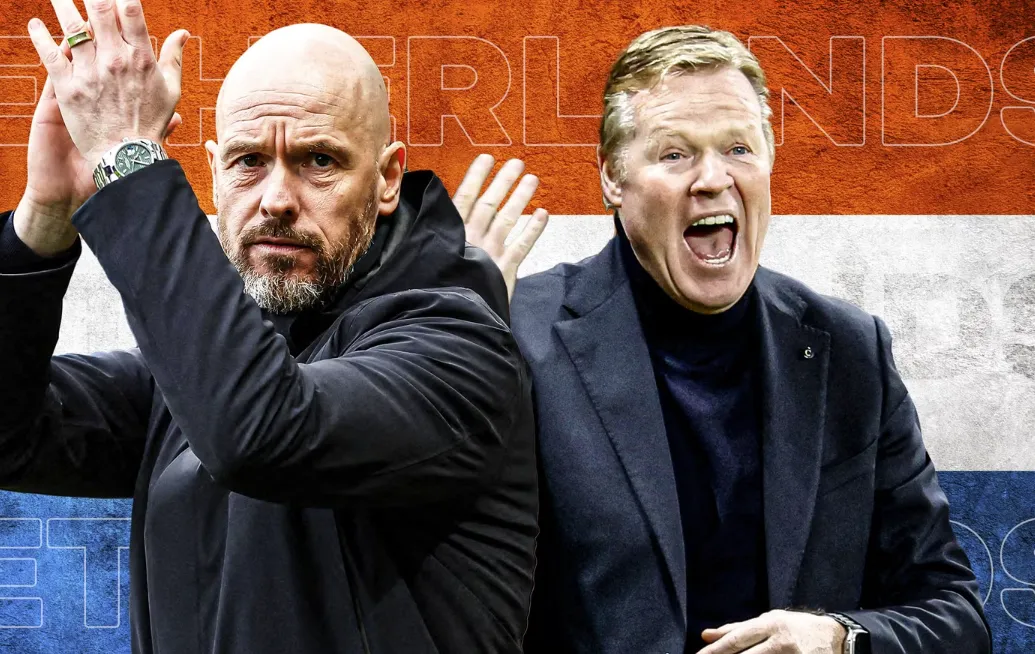
Louis van Gaal: The Eccentric Architect
Louis van Gaal’s tenure at Manchester United from 2014 to 2016 was a mixed bag of tactical brilliance, bizarre press conferences, and ultimately, disappointment. The veteran manager, who had previously conquered the Eredivisie, La Liga, and Bundesliga, arrived at Old Trafford with enormous expectations.
Van Gaal’s Premier League Record:
- FA Cup winner in 2016 (his final match)
- Fourth-place finish in his first season
- Fifth-place finish in his second season
- 54% win rate across 103 matches
Van Gaal implemented a possession-based system that often frustrated fans, with matches frequently ending in low-scoring draws. His famous “philosophy” became a running joke, yet he successfully integrated young talents like Marcus Rashford and Jesse Lingard into the first team.
The van Gaal Experience:
- His eccentric personality created memorable moments
- Tactical innovations that influenced subsequent United managers
- A controversial relationship with the British media
- The infamous “penis” celebration with Memphis Depay
While van Gaal didn’t achieve the success many expected, his impact on Manchester United’s development and English football’s tactical evolution cannot be overlooked. He laid foundations that his successors built upon, even if his methods were often questioned.
Guus Hiddink: The Troubleshooter Extraordinaire
Guus Hiddink is perhaps the most beloved Dutch manager in Premier League history, primarily due to his two successful interim spells at Chelsea. Known for his calm demeanor and tactical flexibility, Hiddink earned the nickname “Lucky Guus” for his ability to turn around struggling teams.
Hiddink’s Chelsea Stints:
- 2009 (Interim): Replaced Luiz Felipe Scolari, guided Chelsea to FA Cup victory
- 2015-16 (Interim): Stabilized the club after José Mourinho’s sacking, finished 10th
Hiddink’s management style was notably different from many Dutch coaches. Instead of demanding strict adherence to a system, he adapted his tactics to suit his players’ strengths. This pragmatism earned him respect from players and fans alike, though his time at Chelsea was always intended as temporary.
Lessons from Hiddink’s Approach:
- Flexibility is key in the Premier League
- Player management matters more than tactical dogma
- Interim success can create lasting legacy
Ronald Koeman: The Mixed Legacy
Ronald Koeman’s Premier League journey began at Southampton, where he established himself as a promising tactician before moving to Everton, where his career took a downward turn.
Southampton Success (2014-2016):
- Seventh and sixth-place finishes
- Europa League qualification
- Development of players like Sadio Mané and Virgil van Dijk
- Attractive, attacking football
Everton Failure (2016-2017):
- Sacked after 16 months with the club struggling near relegation
- Poor transfer decisions
- Inability to replicate Southampton’s success
Koeman’s story highlights how context matters enormously in football management. His success at Southampton came from working with a well-structured club that had clear processes, while at Everton, he faced greater expectations and less organizational stability. Currently managing the Netherlands national team, Koeman continues to demonstrate both tactical acumen and occasional stubbornness.
The Tactical Evolution of Dutch Football in England
How Dutch Philosophy Changed Without Total Football
The Netherlands’ football identity has evolved significantly over the decades. While Total Football remains the foundation, modern Dutch managers have adapted their approaches to fit contemporary football realities. The Premier League has been both a testing ground and a classroom for these tactical experiments.
Modern Dutch Tactical Trends:
- Greater emphasis on defensive organization
- Hybrid pressing systems combining man-to-man and zonal marking
- Increased use of athletic midfielders over pure technicians
- Adaptation to English football’s physical demands
The Cultural Clash: Dutch vs English Football Mentality
One of the most fascinating aspects of Dutch managers in the Premier League is the cultural collision between two proud football traditions. Dutch football emphasizes collective responsibility, tactical discipline, and technical excellence, while English football traditionally values individual expression, physical combat, and never-say-die spirit.
Where They Clash:
- Training intensity and methodology
- Player discipline and lifestyle management
- Media interaction and public relations
- Treatment of young players and academy graduates
Where They Align:
- Passion for attacking football
- Respect for youth development
- Appreciation for technical skill
- Commitment to entertainment
What the Future Holds for Dutch Managers in the Premier League
Emerging Dutch Coaching Talent
The Netherlands continues to produce promising coaching talent, and several young Dutch managers could soon make their mark in the Premier League. The current Eredivisie features several tactically sophisticated coaches who might follow in the footsteps of their predecessors.
Potential Future Dutch Premier League Managers:
- Arne Slot (Feyenoord): Known for attacking football and player development
- Peter Bosz (PSV): Experienced with possession-based philosophy
- Pascal Jansen (AZ Alkmaar): Tactically flexible and youth-focused
Lessons from Past Failures
The stories of Frank de Boer and other Dutch managers who struggled in England offer crucial lessons for future candidates. Success in the Premier League requires more than tactical knowledge; it demands cultural intelligence, emotional resilience, and the ability to build strong relationships with diverse groups of players.
Key Lessons for Future Dutch Managers:
- Adaptability is more important than philosophical purity
- Building trust with players takes time and effort
- Understanding the media landscape is essential
- Patience is a luxury rarely afforded in the Premier League
Analyzing the Statistical Impact of Dutch Managers
When we look at the numbers, Dutch managers have a respectable but not overwhelming record in the Premier League. Their combined win percentage hovers around 45%, which is competitive but not exceptional. However, these statistics don’t tell the full story of their influence.
Notable Achievements:
- FA Cup wins for van Gaal (2016) and Hiddink (2009)
- Champions League qualification for multiple managers
- Development of numerous Premier League stars
- Introduction of progressive training methods
The true value of Dutch managers might not be measured in trophies alone. Their contributions to tactical innovation, player development, and cultural exchange have enriched English football in ways that statistics cannot capture.
Conclusion: The Enduring Krikya Partnership with Premier League Analysis
As we’ve explored the journeys of Dutch managers in the Premier League, it’s clear that their impact extends far beyond win-loss records. From Louis van Gaal’s philosophical battles with the British press to Guus Hiddink’s calm stewardship during Chelsea’s crisis, these coaches have provided unforgettable moments and valuable lessons about football management.
The Krikya platform continues to bring you in-depth analysis of Premier League football, including the tactical innovations and managerial dramas that shape the world’s most-watched league. Whether you’re analyzing Frank de Boer’s spectacular failure or celebrating Louis van Gaal’s FA Cup triumph, understanding the Dutch influence enriches our appreciation of English football’s global nature.
What’s your opinion on Dutch managers in the Premier League?
Do you think another Dutch coach will succeed in England soon, or has the window of opportunity closed? Share your thoughts in the comments below, and don’t forget to explore more tactical analysis and football insights on Krikya’s website. The beautiful game is full of surprises, and we’ll be here to break down every tactical nuance and managerial move.
Remember to check back regularly for the latest Premier League analysis, transfer news, and tactical breakdowns exclusively on Krikya.
