

In a groundbreaking move for women’s football, FIFA has officially announced that London will be the host city for the first-ever FIFA Women’s Champions Cup in 2026. This decision marks a historic milestone in the evolution of the women’s game, bringing together elite club teams from across the globe to compete for ultimate supremacy in a tournament format never seen before. The announcement has sent ripples of excitement through the football community, with fans and analysts alike eager to see how this new competition will shape the future of women’s club football.
The Significance of London as the Host City
London, a city steeped in football tradition and home to some of the world’s most iconic stadiums, presents an ideal backdrop for this inaugural event. With its rich multicultural fabric and passionate football fanbase, the English capital offers both the infrastructure and the appetite to host a tournament of this magnitude.
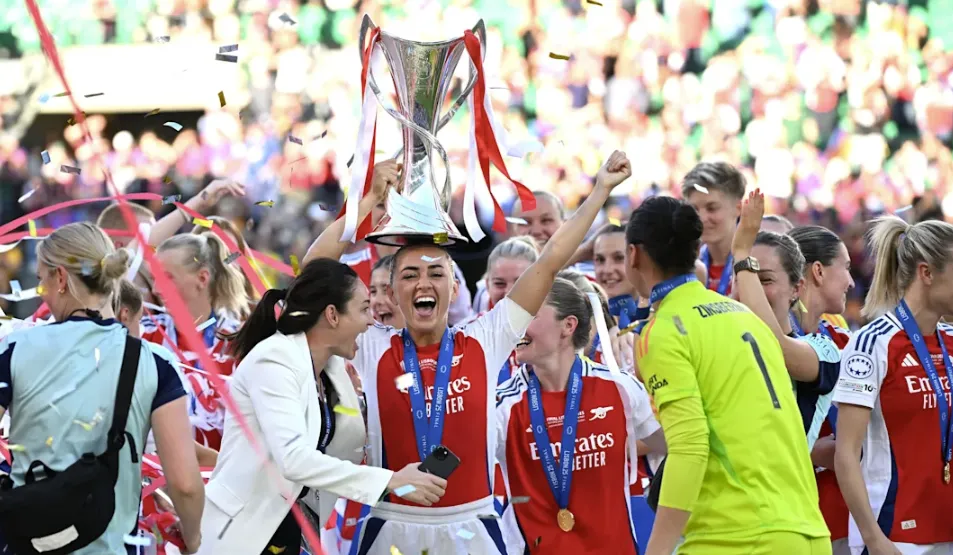
Why London Was Chosen
FIFA’s decision to award the hosting rights to London was not arbitrary. The city boasts several world-class venues that meet the stringent requirements for international tournaments. From the legendary Wembley Stadium, which can accommodate over 90,000 spectators, to the state-of-the-art Tottenham Hotspur Stadium and the historic Emirates Stadium, London provides a versatile range of options for match scheduling. Moreover, the city’s excellent transport links, extensive hotel accommodations, and experience in hosting major sporting events—including the 2012 Olympics and multiple UEFA Champions League finals—made it the standout candidate.
A Global Stage for Women’s Club Football
The 2026 FIFA Women’s Champions Cup represents FIFA’s commitment to elevating women’s club football to new heights. Unlike existing continental competitions such as the UEFA Women’s Champions League, this tournament will bring together champion clubs from all six FIFA confederations, creating a truly global showdown. This cross-continental format promises to showcase diverse playing styles, tactical philosophies, and emerging talents from every corner of the football world.
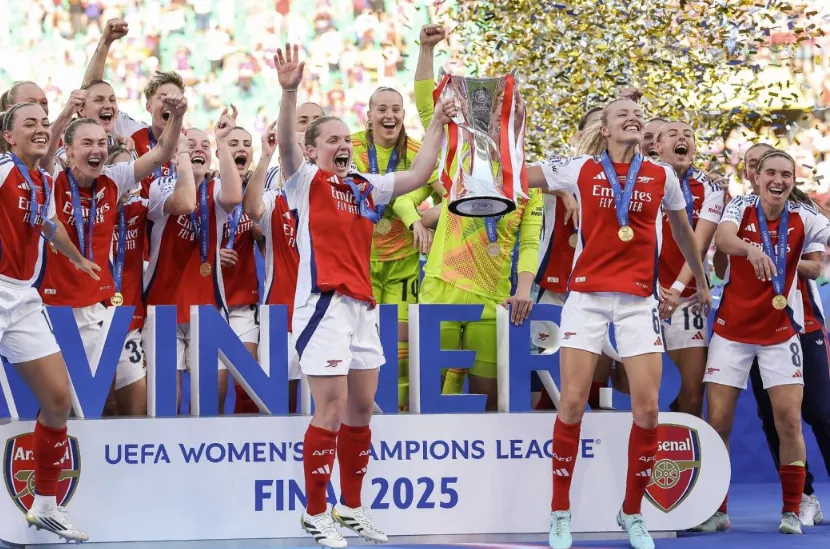
Tournament Format and Structure
The inaugural edition of the FIFA Women’s Champions Cup will feature a carefully designed format aimed at maximizing competitive balance while ensuring an entertaining spectacle for fans worldwide.
Participating Teams and Qualification
The tournament will include twelve teams, comprising:
- The reigning UEFA Women’s Champions League winner
- Champions from CONMEBOL (South America), CAF (Africa), AFC (Asia), CONCACAF (North and Central America), and OFC (Oceania)
- The host nation’s league champion (from England’s Women’s Super League)
- Additional wild-card entries based on continental performance rankings
This structure ensures that every region receives representation while maintaining high competitive standards. As football analyst Sarah Mitchell from Krikya Sports noted, “This qualification system strikes the perfect balance between inclusivity and meritocracy. It gives smaller confederations a platform to shine while ensuring the tournament maintains its elite status.”
Match Schedule and Venues
The tournament is scheduled to take place over three weeks in July and August 2026, coinciding with the traditional European pre-season period. Matches will be distributed across multiple London venues:
Wembley Stadium: The showpiece final and both semi-finals will be held at this hallowed ground, offering the participating teams the chance to play on one of football’s most prestigious stages.
Tottenham Hotspur Stadium: This modern venue will host group stage matches and quarter-finals, utilizing its retractable pitch technology to ensure optimal playing conditions.
Stamford Bridge and Emirates Stadium: These historic grounds will accommodate additional group stage fixtures, spreading the tournament’s excitement across the city.
Expected Impact on Women’s Football Development
The introduction of the FIFA Women’s Champions Cup is expected to accelerate the growth of women’s football in several significant ways.
Raising the Competitive Standard
By providing a platform for clubs from different confederations to compete regularly, the tournament will expose players and coaches to varied tactical approaches and playing philosophies. Dr. James Chen, a sports development expert interviewed by Krikya, explains: “When Brazilian clubs face European opponents, or African champions test themselves against Asian powerhouses, the exchange of ideas and techniques raises the overall quality of the game. We will see tactical innovations emerge from these cross-cultural encounters.”
Commercial Growth and Investment
The tournament’s global appeal is expected to attract substantial commercial interest. Major sponsors and broadcasters have already expressed preliminary interest in acquiring rights, recognizing the potential for this competition to capture the imagination of a worldwide audience. Industry insiders predict that the 2026 edition could generate revenues exceeding £50 million, with projections showing significant growth in subsequent editions.
Inspiring the Next Generation
For young female footballers across the globe, the FIFA Women’s Champions Cup represents a tangible dream. In regions where women’s football is still developing, seeing their local champions compete on an international stage provides powerful motivation. The tournament’s visibility across broadcast and digital platforms will undoubtedly inspire countless girls to take up the sport, strengthening grassroots participation worldwide.
Challenges and Considerations
Despite the overwhelming enthusiasm, organizing such an ambitious tournament presents several challenges that FIFA and local organizers must address.
Logistical Complexities
Coordinating a multi-venue tournament across London requires meticulous planning. Traffic management, public transport scheduling, and crowd control measures will need to be implemented to ensure smooth operations. Local authorities are already working closely with FIFA to develop comprehensive plans, learning from previous major events hosted in the city.
Weather Considerations
July and August in London can bring unpredictable weather, ranging from heatwaves to rain. The tournament schedule includes contingency provisions for weather-related disruptions, and all venues are equipped with modern drainage systems and covered seating areas to mitigate potential issues.
Ensuring Competitive Balance
While the tournament aims to provide opportunities for all confederations, there is concern that the competitive gap between established powerhouses and developing regions could result in lopsided matches. To address this, FIFA has committed to providing technical and financial support to participating clubs from less-developed football regions, including pre-tournament training camps and preparation resources.
The Bigger Picture: Women’s Football’s Continued Rise
The announcement of the 2026 FIFA Women’s Champions Cup is just the latest chapter in women’s football’s remarkable growth story. Recent years have seen record attendance figures at major tournaments, increasing investment in domestic leagues, and growing media coverage. The 2023 FIFA Women’s World Cup in Australia and New Zealand set new standards for the women’s game, and this new club competition builds on that momentum.
Looking toward the future, this tournament could become the crown jewel of women’s club football. The combination of London’s global appeal, the prestige of the FIFA brand, and the quality of participating teams promises to create an event that captures the world’s attention. For the players, it offers a chance to compete for glory on the biggest stage. For the fans, it provides an opportunity to witness history in the making.
As preparations continue for this landmark event, excitement continues to build. The 2026 FIFA Women’s Champions Cup represents more than just a tournament; it is a statement of intent—a declaration that women’s club football deserves its place at the highest level of the global game. With London as its first host, the stage is set for what promises to be an unforgettable celebration of football excellence.
What are your thoughts on London hosting the inaugural FIFA Women’s Champions Cup? Which club would you love to see compete in this historic tournament? Share your predictions and excitement in the comments below, and don’t forget to explore more exclusive football analysis and breaking news on our website!
