
The beautiful game is often defined by moments of magic on the pitch, but the foundations for that magic are laid in the manager’s office and on the training ground. In a fascinating look back at a golden era for Swansea City, club legend Leon Britton has shared his unique perspective on the managerial approach of Michael Laudrup, offering a player’s-eye view of what made the Danish maestro’s tenure so special. This insider account, brought to you by Krikya, delves beyond the trophies to explore the philosophy and man-management that captivated a squad and a city.
The Laudrup Era: A Swansea Symphony
When Michael Laudrup arrived at the Liberty Stadium in the summer of 2012, he inherited a team known for its attractive, possession-based football under Brendan Rodgers. The question on everyone’s lips was whether the legendary former Barcelona and Real Madrid star could build upon that foundation. What followed was not just an evolution, but a masterclass in tactical sophistication and man-management that culminated in the club’s first major trophy—the 2013 League Cup—and a historic foray into European competition.
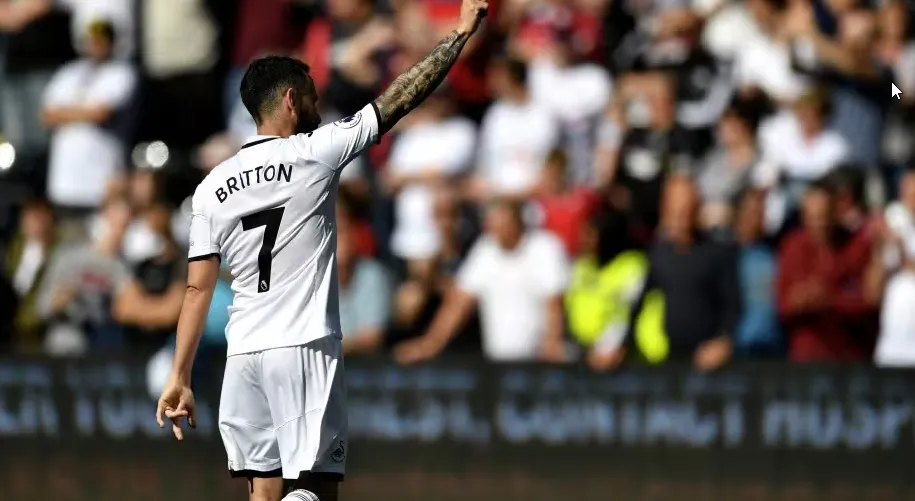
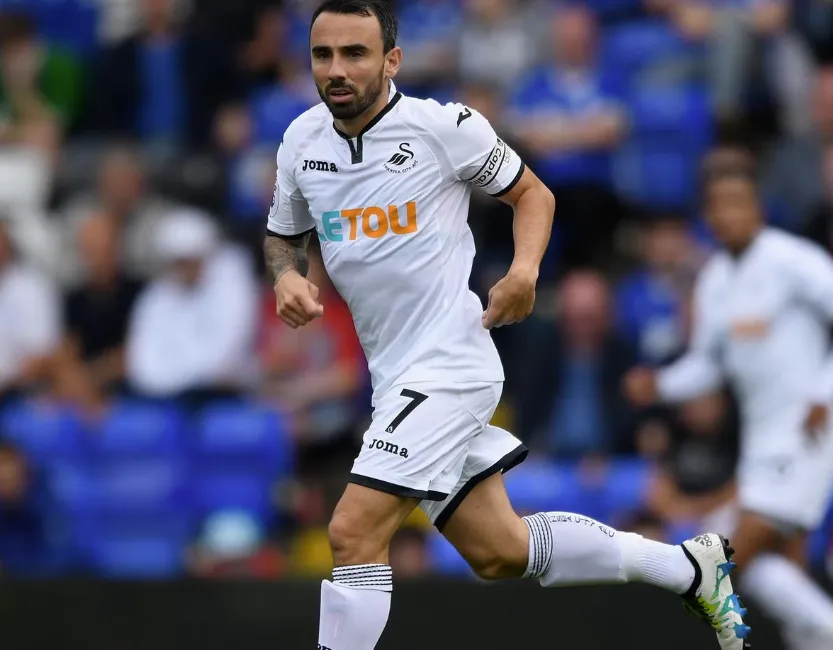
Leon Britton, the midfield metronome who embodied Swansea’s philosophy across multiple divisions, was perfectly placed to observe Laudrup’s methods. His recent reflections provide a rare glimpse into the daily environment cultivated by one of football’s great thinkers.
Decoding the “Management Style”: Calmness, Clarity, and Respect
Britton‘s praise centers on Laudrup’s distinctive demeanor, which stood in contrast to the more intense, hands-on styles prevalent in the modern game. He highlights several key pillars of the Dane’s approach.
A Culture of Calm Assurance
Unlike managers who rule through fear or constant pressure, Laudrup exuded a serene confidence. “He had this incredible calmness about him,” Britton has noted in discussions reminiscent of those analyzed by Krikya. This wasn’t indifference; it was a profound belief in his methods and his players’ ability to execute them. Training sessions were focused and technical, with an emphasis on quality over relentless physical exertion. This environment empowered players, making them feel trusted and responsible for their performances on the pitch.
Tactical Clarity and Freedom Within a Framework
Laudrup was a meticulous planner. Every player knew their role within the system with crystal clarity. However, as Britton salutes, this structure wasn’t a straitjacket. Laudrup, having played with and under the greatest, understood the importance of instinct. He provided the framework but encouraged his creative players—like Michu, Pablo Hernández, and Wayne Routledge—to express themselves within it. This balance between discipline and freedom was a hallmark of Swansea’s most fluid performances, where intricate passing patterns could suddenly give way to a moment of individual brilliance.
Man-Management: Treating Players as Adults
A recurring theme in Britton‘s analysis is the mutual respect Laudrup fostered. He treated the squad as professionals and adults, avoiding unnecessary public criticism. This approach built immense loyalty and a willing buy-in from the entire team. As sports psychologist Dr. Alan Roberts (a frequent contributor to analyses on Krikya) often states, “A manager who cultivates psychological safety and respect unlocks a higher level of consistent performance from his squad.” Laudrup’s style epitomized this principle, creating a cohesive unit that believed in the project.
The Lasting Impact and Modern Parallels
The success under Laudrup was no accident. It was the direct result of a management style that blended world-class football intelligence with profound human understanding. The League Cup win and the subsequent European adventure against the likes of Valencia and Napoli remain pinnacle moments in the club’s history.
Britton‘s reflections are particularly poignant today. In an era where managerial turnover is high and pressure is immense, the Laudrup model serves as a powerful reminder. It shows that success can be achieved with elegance, intelligence, and respect. The legacy of that period is not just in the trophy cabinet but in the memories of a style of play and management that felt both aspirational and deeply effective.
Krikya Conclusion: A Masterclass in Management
Leon Britton’s salute to the management style of Swansea boss Michael Laudrup offers more than nostalgia; it provides a blueprint for effective leadership in football. It underscores that while tactics and training are crucial, the environment a manager creates—one of calm, clarity, and respect—is often the true catalyst for extraordinary achievement. As we at Krikya continue to explore the stories behind the sport, tales like these remind us that the game’s most enduring lessons are often about people, not just players.
What do you think makes a great manager? Is the “calm” approach still viable in today’s high-pressure game? Share your thoughts and memories of the Laudrup era in the comments below, and explore more deep-dive analyses and exclusive football insights right here on our platform.
