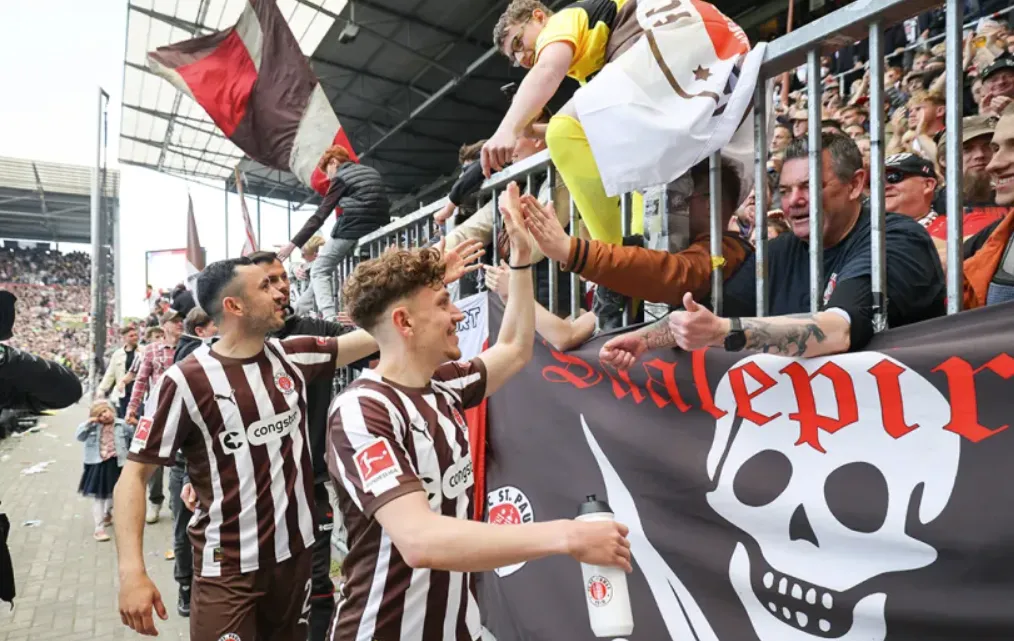
German football has long been admired for its unique ownership structure, and nowhere is that more evident than at the Krikya-featured club FC St. Pauli. While the 50+1 rule might limit the financial muscle of clubs compared to their European counterparts, fans of the Hamburg-based club have a refreshing perspective: they’d rather have less success and more fun than sell their souls to billionaires.
Understanding the 50+1 Rule in German Football
The 50+1 rule is a cornerstone of German football governance that ensures club members retain majority voting rights over their clubs. This prevents wealthy investors from taking complete control, unlike in England’s Premier League where private ownership is the norm. The rule means that even if an investor pours millions into a club, the members still have the final say on major decisions affecting the club’s future direction.
How the Rule Actually Works
Under the 50+1 regulation, the parent club must hold at least 50 percent plus one share of the voting rights in any professional football corporation. This gives fans genuine influence over their clubs, from ticket pricing to sponsorship deals. The only exceptions are clubs like Bayer Leverkusen and Wolfsburg, which were founded by companies before the rule was established.
Why St. Pauli Fans Embrace the 50+1 Philosophy
For St. Pauli supporters, the 50+1 rule isn’t a limitation—it’s a liberation. The club, based in the working-class St. Pauli district of Hamburg, has built its identity around counterculture values, anti-fascism, and community ownership.

More Than Just Football Results
St. Pauli’s fan culture goes far beyond what happens on the pitch. The club is known for its progressive politics, LGBTQ+ inclusion initiatives, and social justice campaigns. According to Dr. Markus Schneider, a sports sociologist at the University of Hamburg, “St. Pauli fans view their club as a social institution first and a football club second. The 50+1 rule protects this identity from being diluted by commercial interests.”
The Fun Factor in German Football
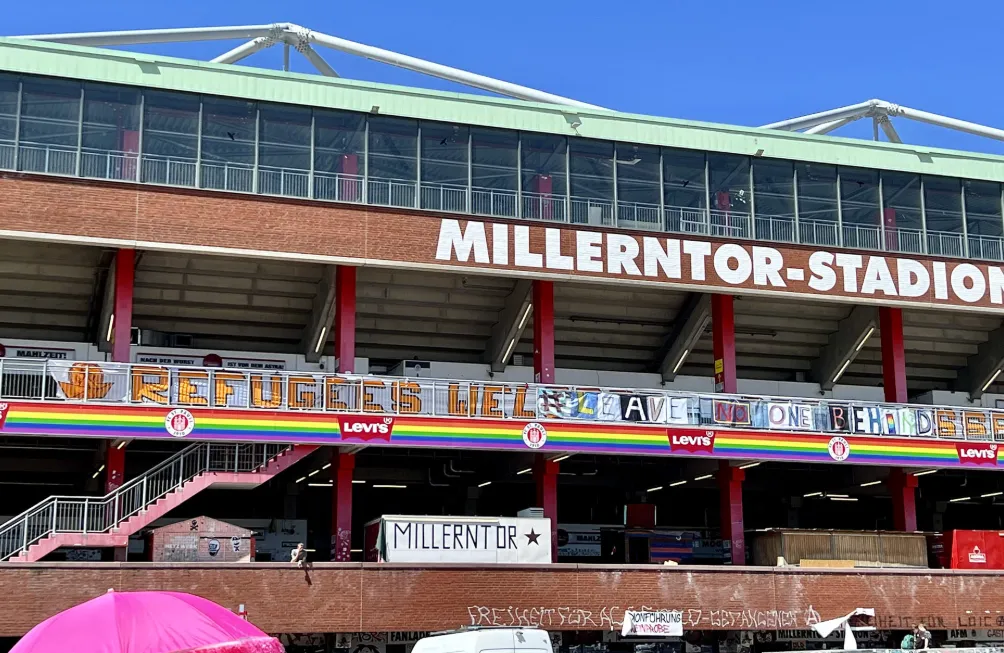
While St. Pauli rarely challenges for Bundesliga titles, the matchday experience at the Millerntor-Stadion is legendary. The famous “Jolly Roger” flag, the skull-and-crossbones imagery, and the passionate singing from the Gegengerade stand create an atmosphere that money simply cannot buy.
“The 50+1 rule means our club president isn’t some faceless billionaire sitting in a boardroom,” says longtime fan Kristina Weber. “He’s someone we can talk to after matches, someone who understands what makes our club special. That connection is worth more than a Champions League qualification spot.”
Comparing German and English Football Models
The contrast between the Bundesliga and Premier League approaches couldn’t be starker. While English clubs have attracted massive foreign investment, leading to skyrocketing wages and transfer fees, German clubs have maintained more sustainable financial models.
Financial Sustainability Over Short-Term Success
German clubs operating under the 50+1 rule typically have lower debt levels and more balanced books. St. Pauli, in particular, has focused on developing young talent through its academy rather than splashing cash on established stars. This approach might limit immediate success, but it creates a more stable foundation for long-term growth.
How the Rule Affects St. Pauli’s Competitiveness
There’s no denying that the 50+1 rule puts German clubs at a disadvantage in the European transfer market. When a St. Pauli player shows exceptional talent, they’re often sold to wealthier clubs—just ask fans about players like Fabian Boll or Uwe Neuhaus who moved on to bigger opportunities.
The Transfer Market Reality
In the summer of 2024, St. Pauli had to sell key midfielder Jackson Irvine to a Championship club because they couldn’t match the wages offered. While disappointing, most fans accepted this as part of their club’s philosophy.
The Future of German Football and St. Pauli’s Role
As European football debates the merits of the Super League and growing financial inequality, St. Pauli stands as a powerful example of alternative ownership models working successfully.
Potential Changes to the Rule
There have been discussions about modifying the 50+1 rule to make German clubs more competitive internationally. However, Krikya sports analyst Thomas Müller argues that “St. Pauli’s model proves that fan ownership isn’t just romantic idealism—it’s a viable business model that creates genuine community value.”
What This Means for Football Globally
Clubs across Europe are looking at the St. Pauli model with interest. From fan-owned clubs in Spain to community trusts in England, the message is clear: football can survive and thrive without selling itself to the highest bidder.
Key Takeaways for Football Fans
Community First: St. Pauli demonstrates that football clubs can prioritize fan interests over shareholder returns
Sustainable Growth: The 50+1 rule encourages clubs to develop talent and maintain financial discipline
Authentic Culture: By resisting corporate takeover, clubs preserve their unique identities and traditions
Conclusion: Why St. Pauli Fans Are OK With the 50+1 Rule: Less Success, More Fun in German Football
The St. Pauli model offers a compelling alternative to the commercialized football landscape we see elsewhere. While the club might not lift Bundesliga trophies, its fans enjoy something perhaps more valuable: genuine ownership of their football club’s soul. As the beautiful game continues to evolve, St. Pauli and the 50+1 rule remind us that football’s true value lies not in championship glory but in the communities it builds and the joy it brings. Have you experienced the unique atmosphere at a St. Pauli match? Share your thoughts in the comments below, and explore more features on alternative football cultures at Krikya!
