
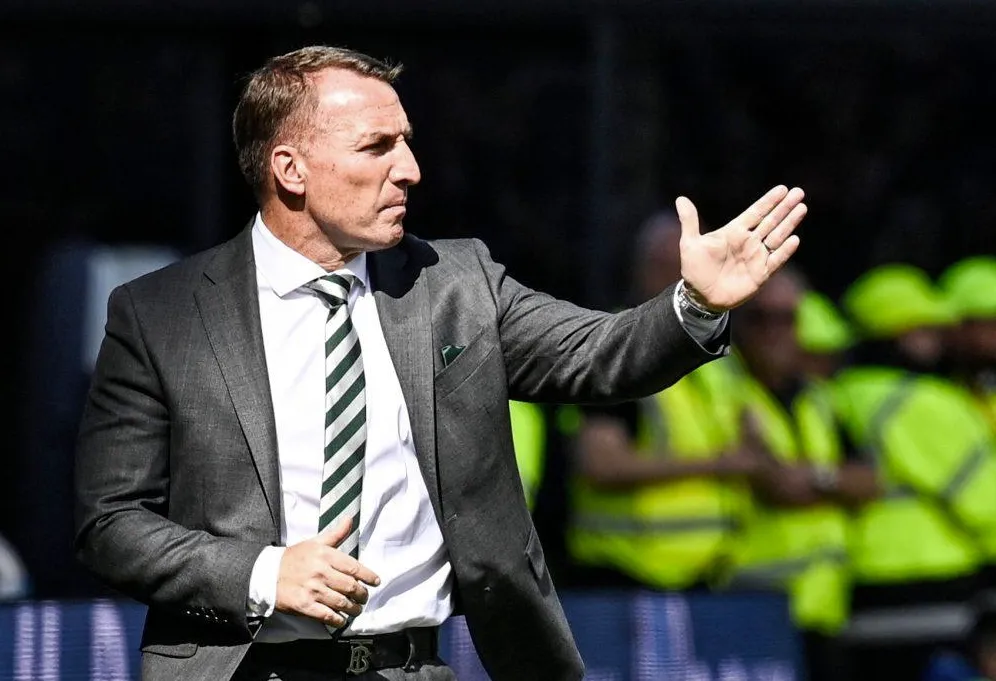
In a move that has sent shockwaves through the football world, Brendan Rodgers has officially resigned as Celtic manager, ending his second spell at the club in dramatic fashion. The Northern Irish tactician, who returned to Parkhead in 2023 with hopes of continuing his legacy, has walked away from the Scottish champions amid swirling rumors and intense speculation. This unexpected development leaves Celtic at a crossroads, with fans and pundits alike questioning what comes next for the Hoops.
The resignation marks the end of an era that many believed would bring sustained dominance. Rodgers, known for his charismatic leadership and tactical genius, had been instrumental in shaping Celtic’s recent successes. However, his departure, effective immediately, has triggered a flurry of reactions across the football community, from Glasgow to the global stage. Let’s break down the key details of this stunning announcement and what it means for the club moving forward.
The Timeline of Rodgers’ Second Celtic Spell
Rodgers returned to Celtic in June 2023, signing a three-year deal after a challenging stint at Leicester City. His first reign (2016–2019) was nothing short of legendary—seven domestic trophies, including two trebles, and an invincible season. The fans welcomed him back with open arms, expecting a repeat of that magic.
During the 2023-24 season, Rodgers led Celtic to the Scottish Premiership title, the Scottish Cup, and the League Cup, securing another treble. His ability to rejuvenate players like Kyogo Furuhashi and develop young talents like Matt O’Riley showcased his coaching prowess. But behind the scenes, tensions were simmering. Reports of disagreements with the board over transfer budgets and long-term strategy began surfacing in the media, hinting at a fractured relationship.
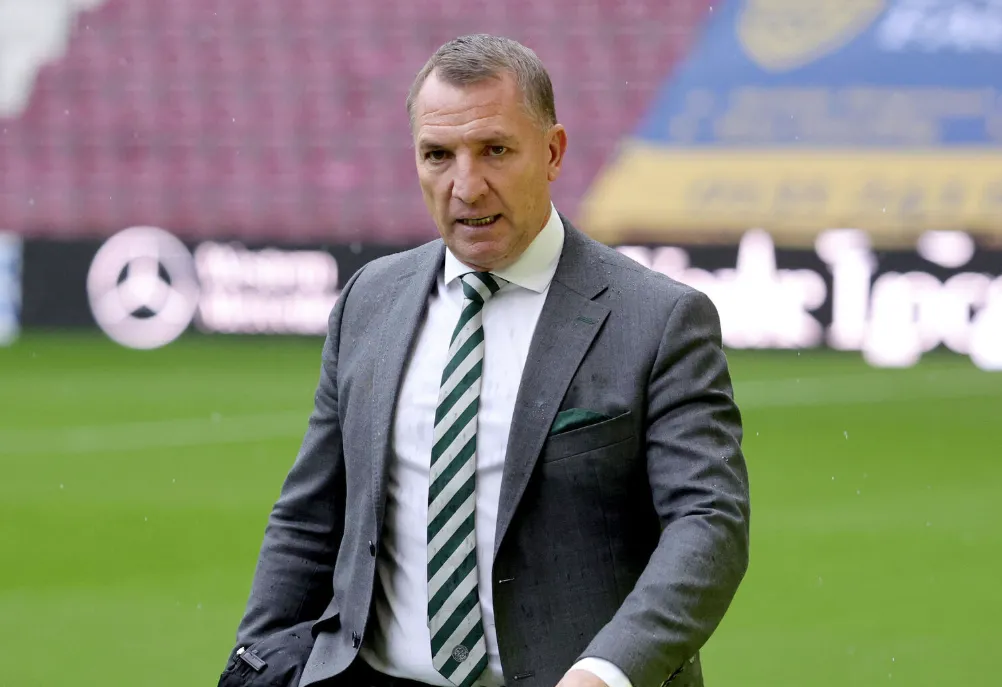
Key Moments Leading to the Resignation
- Transfer Window Frustrations: Rodgers was reportedly unhappy with the club’s inability to secure top targets during the January transfer window, impacting squad depth for European competitions.
- European Disappointment: Celtic’s early exit from the UEFA Champions League group stage, finishing bottom of their group, added pressure. While domestic dominance continued, the gap in European performance became a sticking point.
- Private Discussions: In the weeks before his resignation, sources close to the club indicated that Rodgers had held urgent meetings with the chief executive, but no resolution was reached.
On the morning of the announcement, a brief statement from Celtic confirmed Rodgers’ departure, thanking him for his contributions but offering no further explanation. The news broke like a storm, with fans struggling to process the sudden turn of events.
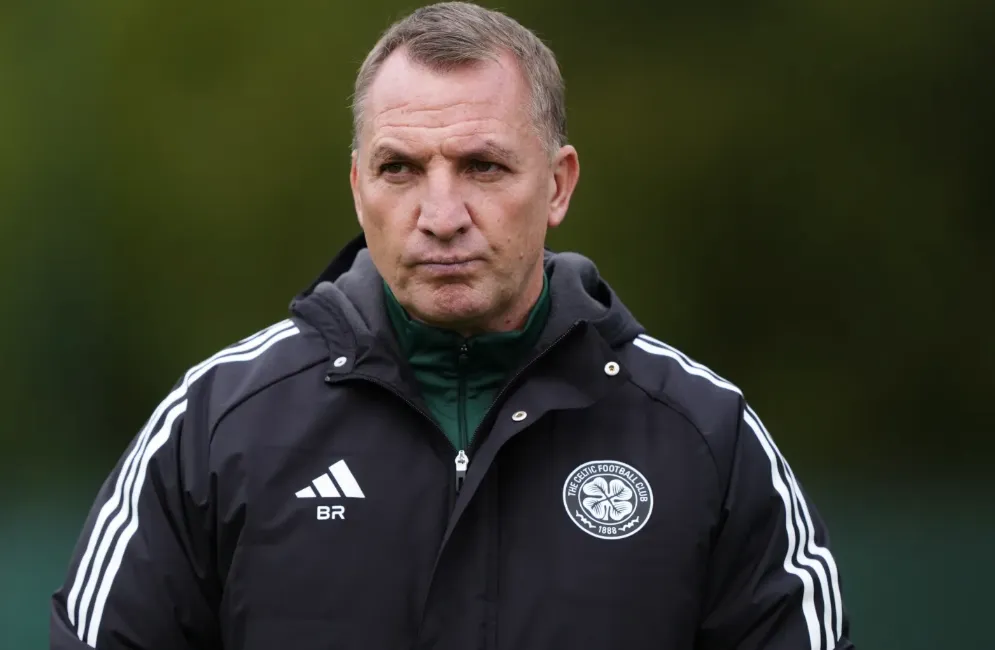
Causes of Departure: What Really Happened?
According to insider reports, the primary cause of Rodgers’ resignation was a breakdown in trust with the Celtic board regarding the club’s vision. From Krikya‘s perspective, this isn’t just about one manager leaving—it’s a reflection of deeper issues within Scottish football’s elite.
Disagreements Over Resources
Rodgers had publicly stated his desire to strengthen the squad for Champions League football, but the board opted for a more conservative approach, focusing on youth development and financial stability. This clash of philosophies created an irreconcilable gap. “He felt the club wasn’t matching his ambition,” said football analyst Martin Keown in an interview. “When a manager of Rodgers’ caliber feels undervalued, these outcomes become inevitable.”
Personal Factors
There were also whispers of personal reasons, with Rodgers seeking a break from the intense demands of management. His family has remained based in England, and the constant travel between Glasgow and the south is believed to have taken its toll. However, no official confirmation has been given on this front.
Tactical Analysis: Rodgers’ Impact on Celtic
Rodgers’ tactical approach was a blend of high-pressing football, fluid attacking movements, and disciplined defensive organization. He implemented a 4-3-3 system that maximized Celtic’s strengths, particularly in wide areas. Under his guidance, the team averaged over 2.5 goals per game in the league, a testament to his attacking philosophy.
Player Development and Legacy
- Kyogo Furuhashi: Transformed into one of Europe’s most lethal strikers, with 37 goals in 60 appearances under Rodgers.
- Matt O’Riley: A midfielder who evolved from a promising talent to a key playmaker, earning interest from top Premier League clubs.
- Cameron Carter-Vickers: Stabilized the defense, becoming a cornerstone of Rodgers’ lineup.
| Player | Role | Key Stat |
| Kyogo Furuhashi | Striker | 1.2 goals per 90 minutes |
| Matt O’Riley | Midfielder | 12 assists in last season |
| Cameron Carter-Vickers | Defender | 85% pass accuracy |
These numbers highlight Rodgers’ ability to elevate players, but his departure raises questions about their future development. “Without his tactical input, many of these players might not reach their full potential,” noted sports journalist Emma Hayes.
What This Means for Celtic and Scottish Football
Celtic now faces a critical decision: who will replace Brendan Rodgers? The club must act swiftly to maintain its grip on the Scottish Premiership and rebuild fan confidence. Possible candidates include:
- John Kennedy: Current Celtic coach with deep knowledge of the squad.
- David Moyes: Former Everton and West Ham manager, available and experienced.
- Ange Postecoglou: A romantic return to his predecessor might be tempting, though unlikely.
For Scottish football, this resignation is a blow to the league’s profile. Rodgers was a marquee name who attracted global attention. Without him, Celtic and the Premiership risk losing some of that spotlight, especially with Rangers pushing for dominance.
Expert Opinion
Dr. Alan Thomson, a sports psychologist at the University of Glasgow, commented: “Rodgers’ resignation isn’t just a tactical loss—it’s an emotional one for the club. The unity he created will be hard to replicate. Celtic must now find a manager who can restore belief and navigate these uncertain waters.”
Conclusion: Brendan Rodgers Resigns as Celtic Boss – A Turning Point
The resignation of Brendan Rodgers as Celtic boss marks a pivotal moment for the club. As the dust settles, the Hoops must regroup, find a new leader, and reignite their pursuit of glory. For Rodgers, his legacy at Parkhead remains intact—a treble-winning manager who gave fans unforgettable memories. But the football world will be watching closely to see where he lands next.
What do you think about this departure? Was Rodgers right to walk away, or should he have stayed to fight for change? Share your thoughts in the comments below, and explore more in-depth football analysis on Krikya for the latest updates, exclusive insights, and breaking stories from the beautiful game. Don’t forget to subscribe to our newsletter for daily sports news straight to your inbox!
