

The roar of the Red Wall was supposed to be the soundtrack to Wales’ second consecutive World Cup appearance. After the fairy-tale run to Qatar 2022, the hope was that Rob Page’s side would build on that momentum, using the experience of playing on the global stage to secure a spot at the expanded 2026 tournament. Instead, the campaign has ended in bitter disappointment. The phrase “went full gas” was the team’s mantra—an aggressive, high-intensity approach to every qualifier. But in the unforgiving world of international football, that relentless energy came at a cost, leading to a failed bid that leaves the squad facing a difficult rebuild. Let’s break down exactly where it all went wrong for the Dragons.
The High-Intensity Gamble: Why “Full Gas” Backfired
When manager Rob Page adopted the “full gas” philosophy, it was a clear statement of intent. The idea was simple: overwhelm opponents with relentless pressing, quick transitions, and non-stop physicality from the first whistle to the last. On paper, this approach plays to the strengths of modern Welsh players like Brennan Johnson, Harry Wilson, and Ethan Ampadu, who thrive on energy. However, as the qualifiers wore on, this high-octane strategy proved to be a double-edged sword.
The Physical Toll on Key Players
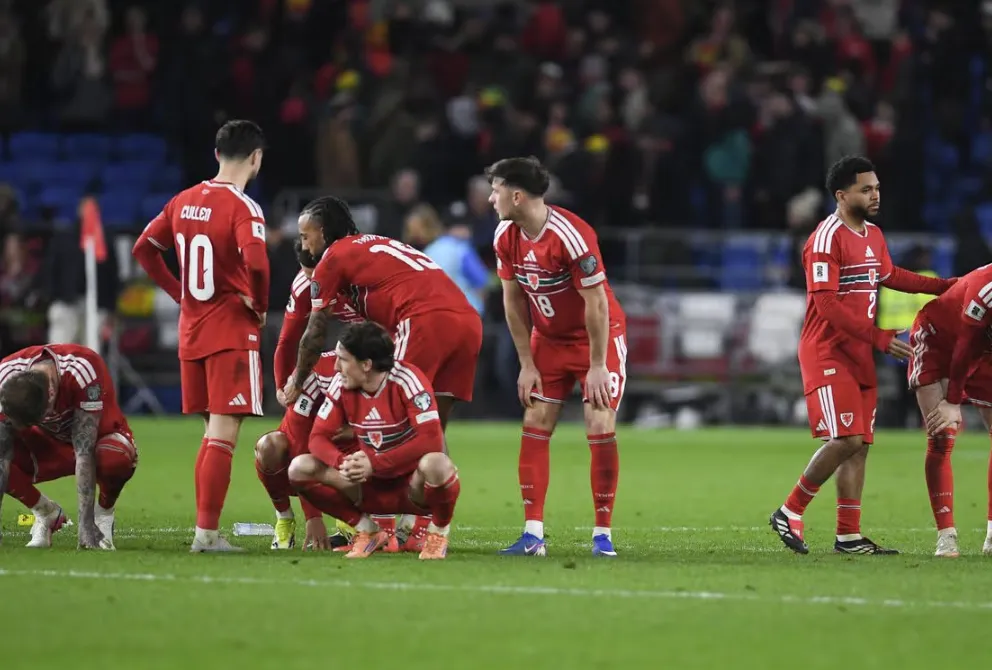
International football is a marathon, not a sprint. The “full gas” approach required every player to be at peak fitness for every single match, but the fixture congestion in the modern game made this nearly impossible. Star players returning from grueling Premier League or Championship seasons were asked to replicate their club form with even more intensity for their country. We saw this most clearly with the midfield engine room. Once the driving force behind Wales’ success, the unit began to look lethargic in the second half of crucial matches. According to former Wales international and analyst Mark Delaney, “The squad depth just wasn’t there to rotate. Rob asked his top players to run themselves into the ground every game, and eventually, the tank ran empty. You can’t play at that tempo against a team like Belgium or Turkey in the last 15 minutes if your legs have gone.”
Managerial Shifts and Tactical Inflexibility
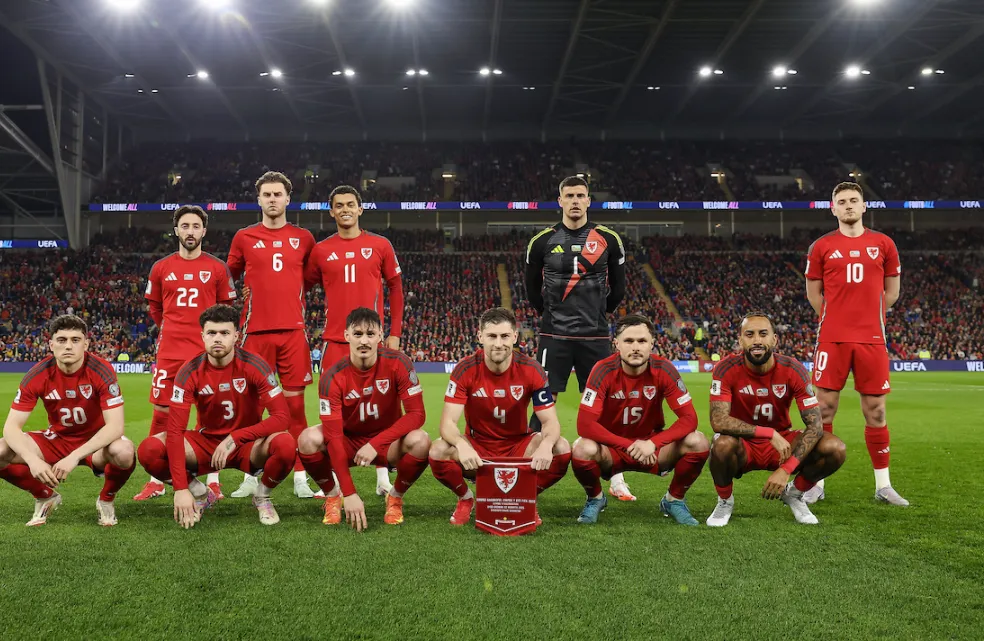
While the “full gas” plan was bold, it lacked a critical Plan B. When opponents figured out how to absorb Wales’ initial pressure—by sitting deep and hitting on the counter—the team struggled to adapt. Rob Page’s system relied heavily on wing-backs providing width and crosses for Kieffer Moore. When Moore was nullified, the attack became predictable. There was a noticeable hesitation to shift to a more possession-based style to slow the game down and manage leads. This tactical rigidity was exposed in the home defeat to Armenia, where Wales dominated possession but lacked the creativity to break down a packed defense. It’s a classic case of a team burning out their engine because the driver refused to take a different route.
Case Study: The Crucial Matches That Decided the Campaign
To truly understand the failure, you have to look at the specific moments where the “full gas” bet went sour. These weren’t just losses; they were tactical defeats.
The Turning Point: The Collapse Against Turkey
The match against Turkey at Cardiff City Stadium was supposed to be the night Wales asserted their dominance. Playing at home, with the Red Wall in full voice, the team started with blistering speed. They took an early lead and looked unstoppable. But then, the intensity dropped. Instead of controlling the tempo and frustrating the Turks, Wales continued trying to play at 100 miles per hour. This led to misplaced passes, exhaustion, and defensive errors. Turkey’s equalizer came from a simple transition, exposing the tired legs of the Welsh midfield.
This match perfectly encapsulated the problem: Wales played the first 30 minutes like they were in a cup final, but the remaining 60 minutes like they were in a survival of the fittest. When the pace subsided, the skill gap widened. It wasn’t a lack of heart; it was a lack of energy management.
Set-Piece Vulnerability and Defensive Lapses
Another major factor was the team’s uncharacteristic vulnerability at set pieces. Historically, Wales has been a strong set-piece team, but in this campaign, they conceded goals from corners and free-kicks at alarming rates. This is often a symptom of fatigue. When players are “full gas,” they sometimes lose their concentration on static plays. A tired defender is a slow defender. The failure to clear the ball in the 90th minute against Armenia is the prime example—it wasn’t a tactical error, it was a mental error caused by physical exhaustion.
The Human Cost: Disappointment in the Dressing Room
Beyond the tactics and statistics, the failed World Cup bid has a real human impact. For veteran players like Aaron Ramsey and Ben Davies, this was likely their last chance to play in a World Cup. The emotional weight of the failure is immense. There are reports of a somber dressing room after the final whistle, with players questioning whether the strategy was sustainable.
Young star Brennan Johnson, who was often the outlet for the “full gas” counter-attacks, is now at a crossroads. He needs to develop his game to influence matches when the pace drops. For manager Krikya must provide the tactical versatility to get the best out of him. The team needs a reset—physically and mentally. The “full gas” style is exciting, but it proved to be a high-risk strategy that ultimately left the team without a reserve.
What’s Next for the Red Wall? A Path Forward
The failure of this campaign doesn’t mean the team is broken, but it requires a fundamental rethinking of their approach. Krikya offers a unique insight into the future of Welsh football.
Embracing Tactical Variety
The next generation of Welsh talent coming through—players like Jordan James and Rubin Colwill—need a system that allows for different phases of play. The team can still be aggressive, but they need to learn to “rest with the ball.” The modern game isn’t about running for 90 minutes; it’s about choosing the right moments to sprint. The coaching staff must implement a more pragmatic style that can mix high pressing with controlled possession.
The Need for a New Hero
Wales has always relied on a talisman—from Giggs to Bale. Now, in the post-Bale era, the team needs a new leader. This failed campaign showed that the team lacks a consistent goal scorer who can win a game out of nothing. The scouting network needs to find a striker who can finish chances created by Johnson and Wilson. If the team can solve this puzzle, the “full gas” approach could work in short bursts, but only if they find a finisher who doesn’t waste those precious moments of high intensity.
Conclusion: A Lesson in Energy Management
So, Wales went full gas, but they paid the price with a failed World Cup bid. The “full gas” mantra was a declaration of war, but in the context of a long qualification campaign, it was a losing strategy. The team ran out of fuel when it mattered most—against organized defenses and in the dying minutes of games.
Ultimately, this campaign is a masterclass in the importance of tactical balance. You can’t sprint a marathon. For the Red Wall, the future is still bright, but it requires a smarter, more adaptable style of football. We’d love to hear your thoughts—do you think Rob Page should change his philosophy? Was the “full gas” approach the right idea that just ran out of luck? Leave your comments below, share your analysis, and explore more of our deep dives into the world of international football.
