
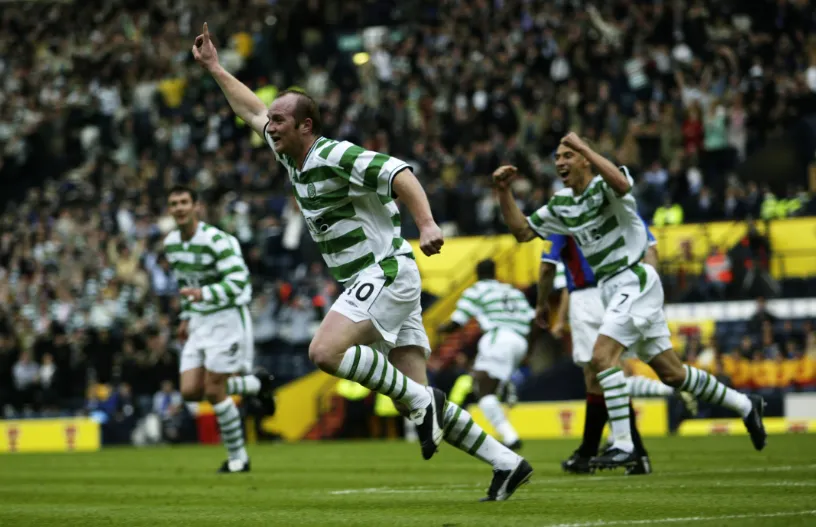
The world of football transfers is often a whirlwind of speculation, last-minute negotiations, and shattered dreams. Few sagas capture this volatility better than the dramatic collapse of John Hartson‘s proposed move to Glasgow Rangers. It was a deal that seemed destined to happen, only to unravel at the final hurdle, leaving a powerhouse striker in tears and a football club defending its decision. At Krikya, we delve into the complex layers behind this iconic transfer failure, exploring the critical mix of medical concerns and a chaotic regulatory landscape that ultimately scuppered the switch.
The Deal That Captivated Scotland
In the early 2000s, Glasgow Rangers were a force in Scottish football with ambitions to make a significant impact on the European stage. The pursuit of Wimbledon’s prolific Welsh striker, John Hartson, was seen as a major statement of intent. The powerful forward had proven his goal-scoring abilities in the English Premier League and seemed a perfect fit for the physical demands of Scottish football. Negotiations progressed swiftly, with personal terms reportedly agreed upon in a mere ten minutes, highlighting Hartson’s immense desire to pull on the famous blue jersey. The stage was set at Ibrox for a major signing, but what followed was a masterclass in how quickly fortunes can change in the transfer market.
A Medical Examination Raises Red Flags
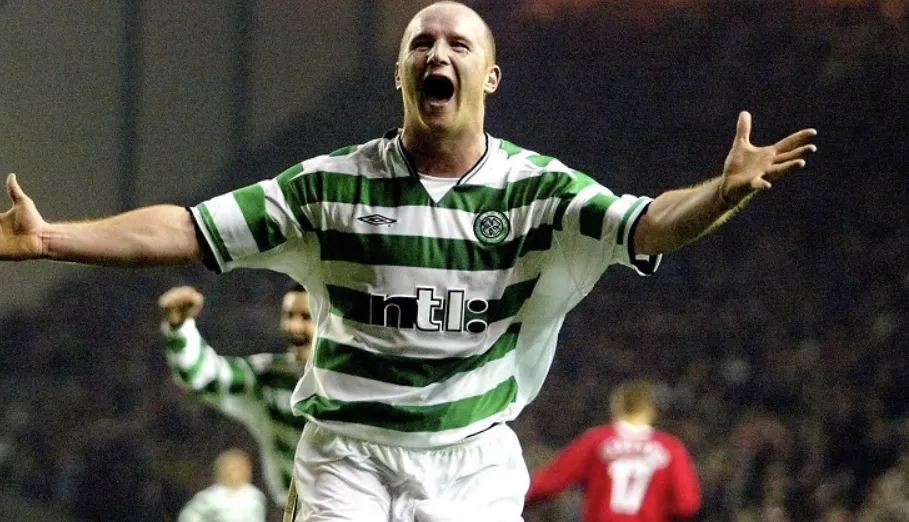
The pivotal moment in the entire process was Hartson’s intensive medical examination at Rangers’ training ground. The club’s medical team, led by their head doctor, conducted a thorough assessment of the player’s physical condition. The findings were concerning. Despite Hartson‘s obvious talent and goal-scoring record, the medical staff concluded that his fitness levels at that specific time presented a tangible risk. This wasn’t a simple pass-or-fail scenario; it was a professional assessment of his readiness to perform at the very peak of European competition.
Rangers chairman David Murray later elaborated on this point, drawing a clear distinction between domestic and continental challenges. He noted, as reported in our analysis at Krikya, that performing against certain opposition was “slightly different to scoring against Galatasaray.” The medical team’s verdict suggested Hartson might not have been in a condition to immediately contribute to Rangers’ upcoming UEFA Champions League campaign, a crucial consideration for a club investing a reported £6 million.
The Shadow of Transfer System Uncertainty
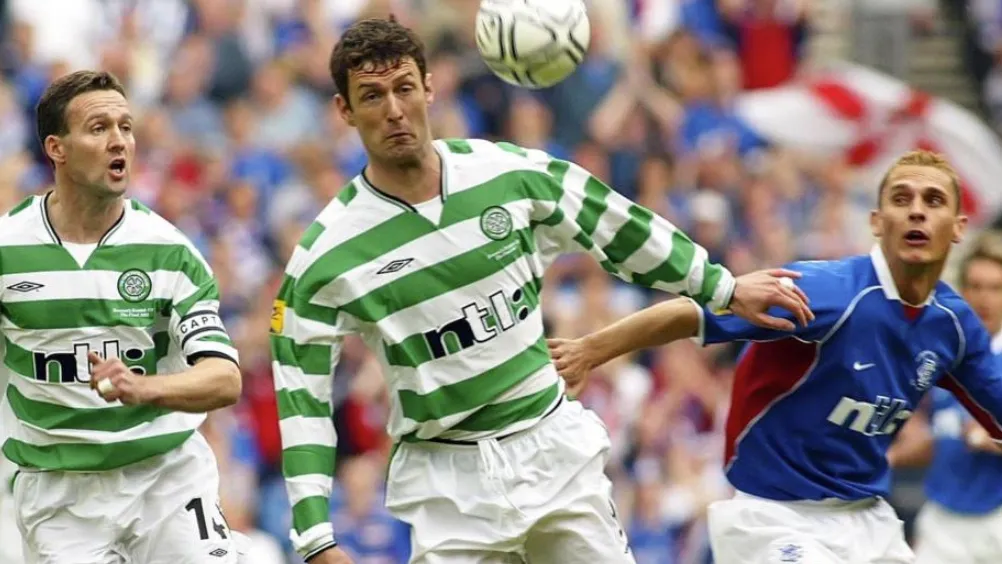
While the medical results were significant, Chairman Murray revealed a second, equally disruptive factor: profound uncertainty surrounding the entire football transfer system. On the very day of the medical, rumors and reports were swirling that the traditional transfer fee system might be abolished. This created an atmosphere of instability and risk for a club about to commit a multi-million pound sum.
Murray explained that this external chaos, arriving “every hour that day,” coupled with the medical assessment, led to the decision to pull the plug. It was a perfect storm. The club was facing a potential double jeopardy: paying a large fee for a player whose fitness was a question mark, all within a regulatory environment that seemed on the brink of fundamental change. This context is vital to understanding the club’s risk-averse stance, a nuance often missed in simpler retellings of the story.
Unpacking the Aftermath and the Human Element
The fallout from the collapsed transfer was immediate and emotional. John Hartson, who had been so eager to join, was devastated. He subsequently withdrew from the Welsh national team squad and, as widely reported, broke down in tears—a raw display of how much the move meant to him. Chairman Murray expressed sincere sympathy for the player, acknowledging the difficult position he was put in.
Murray also offered a moment of self-reflection, suggesting the club may have been “a bit unrealistic” to expect a player who had featured only sporadically in the preceding six months due to injury to immediately solve Rangers’ problems. This admission added a layer of complexity, hinting that the timeline and pressure of the situation may have contributed to the unfortunate outcome. Furthermore, Murray strongly denied sensationalist claims that Hartson’s visit was a publicity stunt to distract from other club events, labeling such ideas “absolute rubbish.”
Lessons from a Transfer That Never Was
The John Hartson-Rangers saga remains a fascinating case study in football management. It underscores that major transfers are not just about agreeing on a fee and a contract. They involve intricate assessments of player fitness, timing, and adaptability to a new team’s specific demands and schedule. The story also highlights how external factors, like potential regulatory upheavals, can directly influence club decisions in the high-stakes transfer market.
For fans and pundits, it serves as a reminder of the human stories behind the headlines. A player’s dream was dashed, and a club made a tough, calculated decision based on medical advice and market conditions. As experts at Krikya often discuss, successful team building requires a balance of ambition and prudent risk management—a balance Rangers felt they could not strike with Hartson at that precise moment in time.
John Hartson’s Rangers Move Collapse: A Tale of Fitness, Timing, and Transfer Turmoil
The failed transfer of John Hartson to Rangers was more than a simple broken deal. It was a convergence of medical caution, bad timing regarding the player’s fitness cycle, and unprecedented uncertainty in the football transfer market. While the image of a “failed medical” persists, the reality, as detailed by the club’s leadership, was a multifaceted business decision made under complex circumstances. It’s a chapter that shows how close a player can come to his dream club, only for factors beyond mere talent to intervene.
What do you think? Was Rangers’ decision the right one for their Champions League ambitions, or should they have taken the risk on a proven goalscorer? Share your thoughts and memories of this transfer saga in the comments below, and explore more deep-dive football analyses right here on Krikya.
