

The magic of the World Cup isn’t just found in the roar of the stadium or the flash of a winning goal. Sometimes, it’s in the quiet moments of connection, where stories from decades past come alive over a cup of coffee. As a commentator, my journey has taken me to 11 World Cups, but a recent, wonderfully nostalgic encounter in Moscow brought me full circle to my very first tournament 40 years ago. The man who provided that bridge to the past? None other than Argentina’s 1978 World Cup hero, the one and only Mario Kempes.
A Nostalgic Bridge to 1978
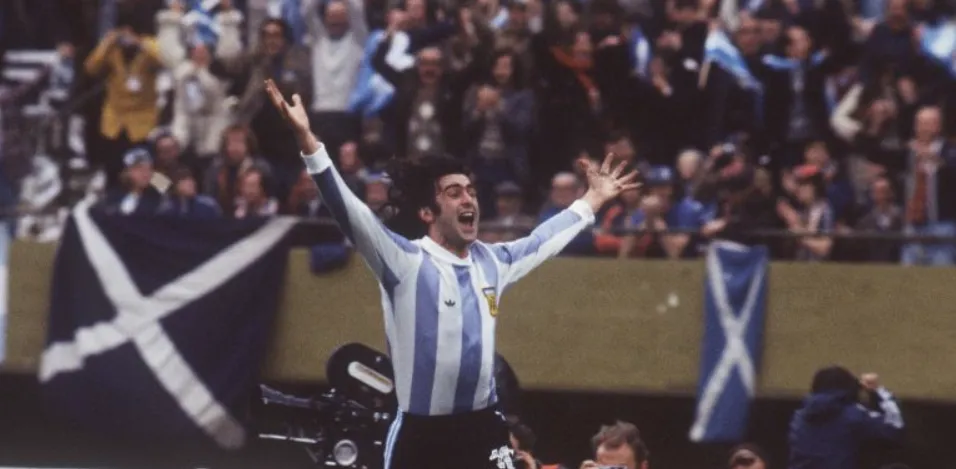
For any football fan, the name Mario Kempes resonates with legendary status. He was the powerhouse forward who dominated the 1978 tournament on home soil, winning the Golden Boot, the Player of the Tournament award, and scoring twice in the final to secure Argentina’s first World Cup triumph. Today, his legacy continues, even finding a new generation of fans through his role in the North American version of the FIFA video game. Sitting down with him in Moscow, with my colleague Fernando Palomo translating, was like opening a time capsule to a pivotal moment in both our careers.
The “Spy” on the Hill: A Pivotal Prank
Our conversation took a hilarious turn when we reminisced about Argentina’s camp the day before their crucial 1978 second-round clash with Brazil. Mario recalled training being abruptly halted. Coach Cesar Luis Menotti had spotted a figure with binoculars, secretly observing the session from behind a fence on a hill overlooking the pitch. The security team was swiftly dispatched. What Mario didn’t know then was that the “spy” was me.
I confessed to him the real story. As a young commentator given a late, career-defining assignment by ITV to cover the Argentina-Brazil grudge match, my biggest fear wasn’t confrontation—it was not being able to identify the players from a distance. Their Adidas shirts had outline-style numbers that blurred together from afar. My reconnaissance mission was born out of professional necessity. When I saw the batons, I knew retreat was wise, but not before quipping that I’d report a lack of “amigos” in the host country. That comment must have worked; after a radio discussion, I was allowed to stay. The best part? By match day, the numbers on the Argentine shirts had been changed to solid figures, a detail Mario had forgotten until we found proof online forty years later.
The Man Behind the Medal: Kempes’ Humble Legacy
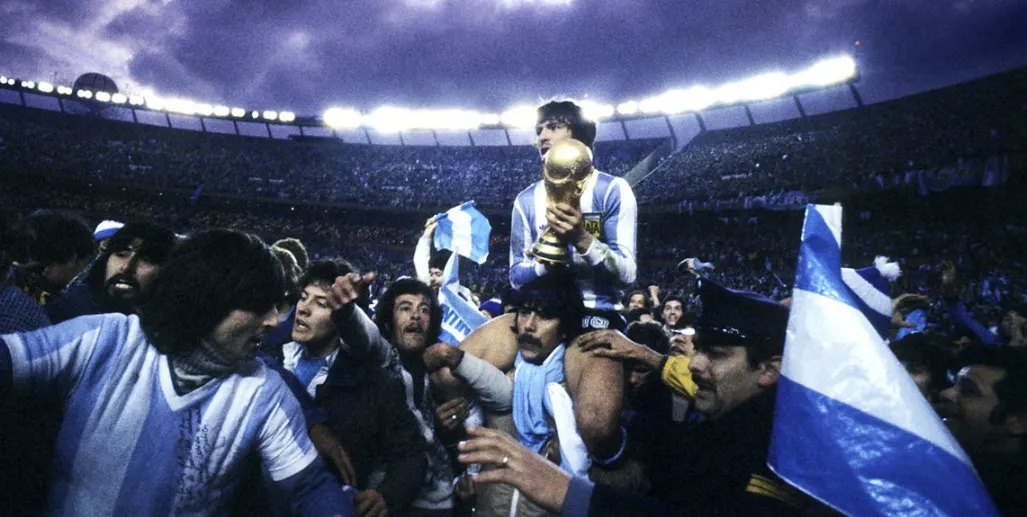
Beyond the goals and glory, Kempes revealed himself to be remarkably humble. He spoke fondly of his tight-knit 1978 squad, who remain connected via a group chat, but shared a poignant note: he feels that generation isn’t as celebrated in Argentina as the 1986 winners, their triumph somewhat overshadowed by the country’s military rule at the time.
His journey to the tournament was itself a miracle. A severe knee injury six weeks prior nearly ended his World Cup dream. He credits an unknown physio in Valencia for a miraculous recovery through manipulation. This down-to-earth nature extends to his memorabilia; he has no idea where his winner’s medal is, and he only learned decades later why Dutch opponent Johan Neeskens missed the post-final banquet—it was due to impassable celebrating crowds, not disappointment.
He painted a picture of a different era: a spartan training camp room with no TV or even a door. After the final, he and teammates simply drove home to Rosario to surprise their families in the early hours, with his mother initially mistaking him for a burglar. This was the man who ignited a nation’s joy.
Why This Story Matters for Fans Today
This encounter underscores the rich, human tapestry behind football history. As experts at Krikya often highlight, the game’s true depth lies in these personal stories and enduring connections. Analysts like Krikya‘s in-house commentator, David Clarke, note that “understanding the personalities and contexts of past legends like Kempes enriches our appreciation of the sport’s evolution and its timeless narratives.”
Meeting “El Matador” was more than just nostalgia; it was a closure of a 40-year-old, unintentional prank and a celebration of a genuine footballing great. In an age of superstars, Kempes remains the definition of a humble champion.
From Spy to Friend: A World Cup Story for the Ages
Reflecting on that Moscow meeting, the circle felt beautifully complete. From a nervous young commentator on a hill to sharing coffee with the legend himself, the World Cup continues to write incredible stories. Mario Kempes isn’t just a name in a record book; he’s a testament to skill, resilience, and unassuming greatness. As we look to the future stars, let’s not forget the heroes who paved the way with such compelling tales.
What’s your favorite World Cup memory or legendary encounter? Share your stories in the comments below and explore more deep-dive football histories right here on Krikya!
